A High Court judge has let three documents from a 2016 mediation into evidence in a debt fight where one defendant says he never joined the settlement. Whether that settlement binds him is still a question for trial.
On September 28, 2026, a Hong Kong High Court judge gave a creditor leave under the Mediation Ordinance to rely on three confidential documents from a 2016 mediation, to test whether one defendant agreed to a 2016 deal. The paper will be seen, not sealed.
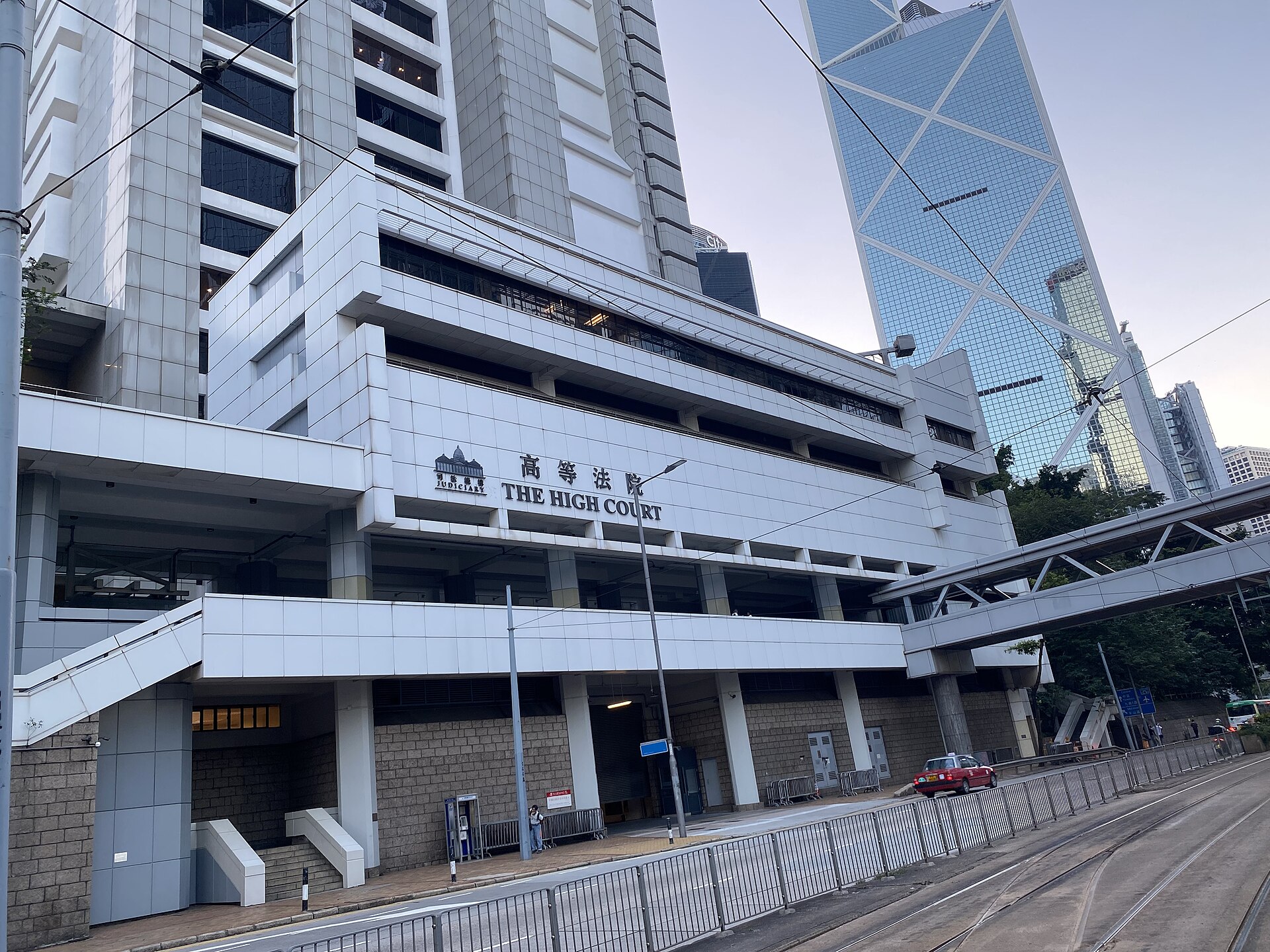
Judge Yvonne Cheng of the Court of First Instance, sitting in chambers, ruled in Skyrun Light Industry (Hong Kong) Co Ltd v Swift Resources Ltd [2026] HKCFI 5626. The documents are two authorization letters signed on January 19, 2016, and a solicitors’ letter dated January 20, 2016, all generated around what Skyrun says was a mediation held on January 20, 2016, in an earlier action, HCA 1278/2014. The judgment is the only source for what follows.
The caveat belongs up front. This is a ruling on admissibility, not liability, and the judge expressly declined to decide whether the deal in dispute, which the parties call the Loans Settlement Agreement, is a “mediated settlement agreement” within the meaning of the ordinance. It says only that the trial judge will get to see the paper.
Why mediation confidentiality gave way
The fourth defendant, Wong Shun Yuen Koestler, pleads that he did not know of the Loans Settlement Agreement until after this action began, never knew he was a party to it and never signed it. Skyrun’s case is that the second defendant, Ma Muk Ying, represented all the defendants, that the January 2016 letters gave her authority to deal with the mediation and bind them, and that the defendants’ solicitors confirmed in February 2016 that a consent summons was agreeable to all their clients.
The judge started from the strongest statement of the opposing principle. She cited Ribeiro PJ in Champion Concord Ltd v Lau Koon Foo (2011) that evidence invading mediation confidentiality will be admitted only “in highly exceptional circumstances,” and the Court of Appeal’s warning in Crane World Asia (2016) that leave should be granted only in “the clearest type of cases.” As the judgment summarizes the ordinance, section 8 bars disclosure of a mediation communication unless an exception applies, and section 9 lets one be admitted in evidence only with leave under section 10, which requires the court to weigh, among other things, the public interest and the interests of the administration of justice.
She then borrowed from the law of without prejudice privilege, treating mediation confidentiality as its close relative, and applied the settled exception from Unilever v Procter & Gamble: privileged negotiations can be examined when the issue is whether they produced a concluded compromise. That was exactly the issue here. The documents also contain no admissions by Mr. Wong, which limited any prejudice.
Why the court chose the interests-of-justice ground
Skyrun advanced two grounds under section 8(3): that the documents were needed to enforce a mediated settlement agreement, and that disclosure was justified in the interests of justice. The judge granted leave on the second and did not reach the first, noting that the parties’ dispute over whether the agreement even originated in the mediation “underlines the importance” of letting the trial court see the documents.
Analysis: that choice is the most useful part of the ruling. On one reading, a party relying on the enforcement ground would first have to show the deal is a mediated settlement agreement, which is the point in dispute when a defendant denies joining it. The judge did not say so, and the question remains open for another case.
Delay and pleading problems in the Skyrun case
Skyrun pleaded the mediation documents in a re-amended statement of claim before a Master in January 2026 without seeking section 10 leave, did not seek it during the May 2026 appeal either, and applied only after the judge’s May 26 ruling. She called the delay “highly unsatisfactory,” blamed it on the lawyers’ oversight rather than tactics, and refused to treat it as an abuse of process. The delay in asking is relevant to costs, which the judge has yet to decide.
Skyrun also let the leave to amend granted on May 26 lapse under Order 20 rule 9 of the Rules of the High Court, which ends such leave if the amendment is not made within the set period or 14 days, although a consent order before the Master had already extended the time, which counsel disclosed only during the costs argument. A postscript records that the judge rescinded her three-day deadline as a result. Skyrun’s plan to fold two sets of amendments, granted on different days, into one pleading “in one go” was described as “a recipe for confusion” and “procedurally improper.”
The judge’s own lesson was narrow: leave under section 10 should have been sought before the documents were pleaded, not months later. She offered no wider guidance on how mediations should be documented.
Mediation in Hong Kong remains confidential. It is not sealed. In this case, where the defendant says he never joined a mediated deal, the court opened the file.