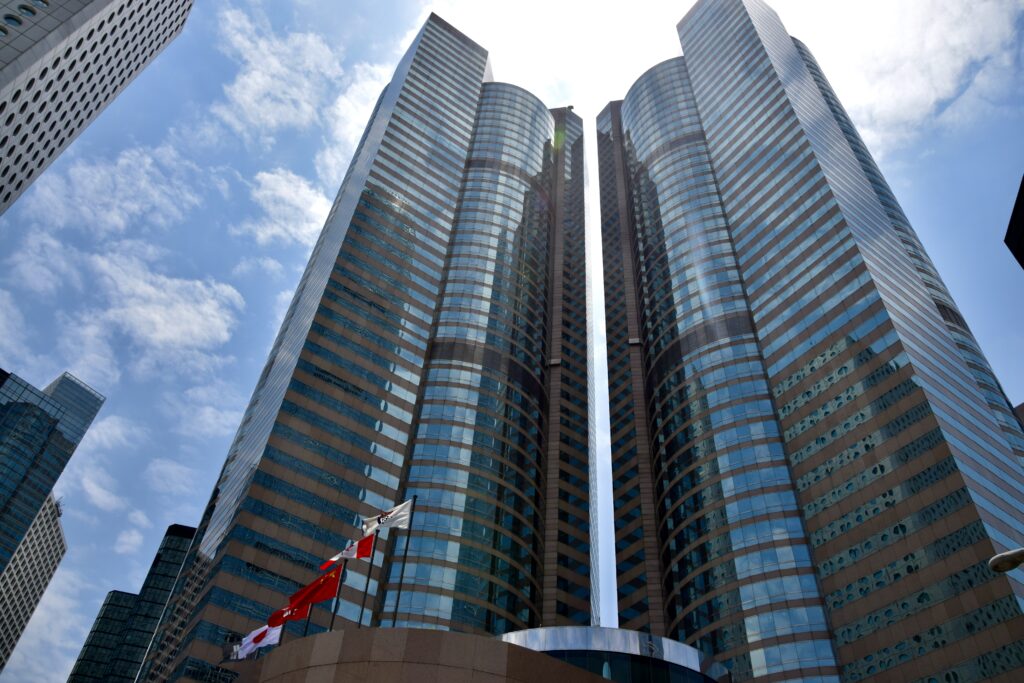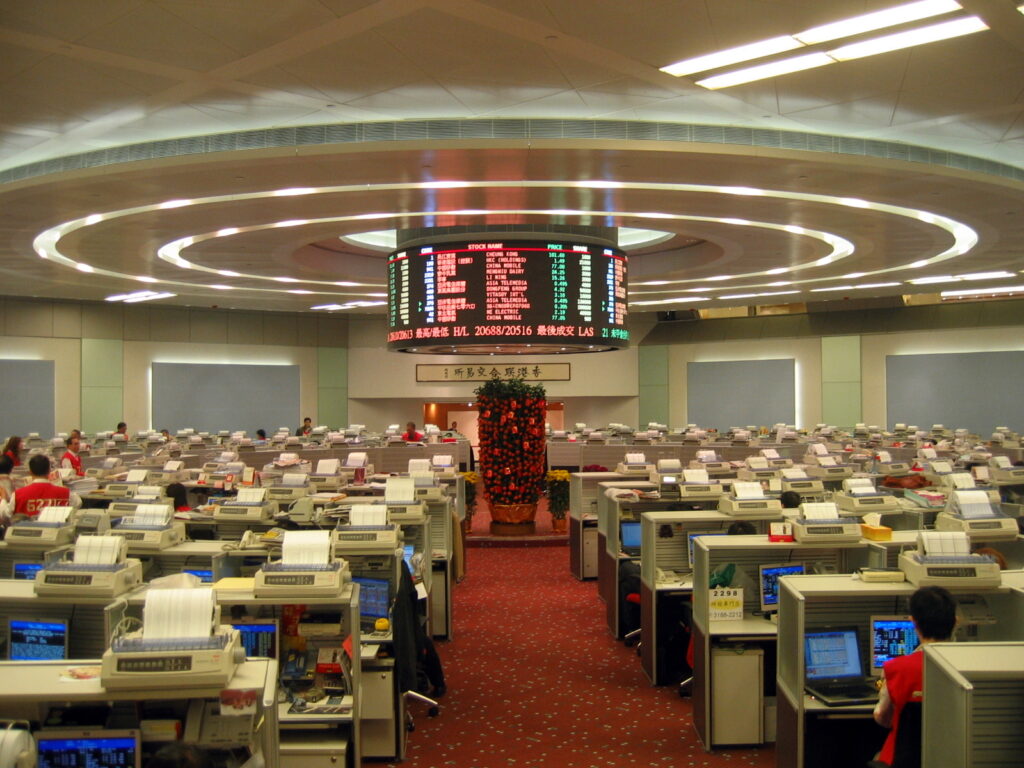
Hong Kong’s convention venues had an unusually busy stretch last week, and Financial Secretary Paul Chan Mo-po wants to build on it. Writing in his official blog on November 8, Chan said investment summits, financial conferences and lifestyle exhibitions held in quick succession produced what he called a good multiplier effect — business travelers staying an extra two days to see the city, buyers bringing family members along, and hotels, restaurants and retailers picking up the spillover.
The headline event Chan highlighted was the inaugural Festival of Connoisseurs at AsiaWorld-Expo, brought to Hong Kong for the first time by an overseas exhibition group. He said it was the first project to benefit from a HK$100 million allocation in this year’s budget set aside to attract new large international exhibitions, and that it went from concept to execution in under a year. The three-day event drew more than 3,000 visitors from around the world, according to Chan. Its format broke from the single-venue convention: exhibits were staged across city landmarks in real-life settings, including a waterfront zone at AsiaWorld-Expo where renovated facilities and a dedicated pier let yachts be displayed on the water — what Chan described as Hong Kong’s first land-and-sea dual-stage exhibition.
That waterfront experiment ties into a bigger project. Chan said the SKYTOPIA yacht harbor at the airport city development, launched this year, will offer about 500 berths, half of them for superyachts, with some berths able to accommodate vessels up to 100 meters long. The first phase is expected to be completed by the end of 2028. He also noted that two-way cross-boundary yacht travel between Guangdong and Hong Kong — the “Hong Kong yachts northbound” and “Guangdong yachts southbound” schemes — began this year, which he expects to bring more high-value visitors.
The numbers behind the push are substantial, though they come largely from industry-commissioned research. An Oxford Economics study commissioned by the Hong Kong Exhibition and Convention Industry Association (HKECIA), covering 2024, found the exhibition industry generated HK$50.2 billion in total economic output — equivalent to 1.6% of Hong Kong’s GDP — and about 67,000 full-time jobs. International exhibition visitors spent an average of HK$9,326 per trip, roughly 70% more than the HK$5,490 average for overnight tourists. The study also noted the sector had not yet returned to its 2018 peak of HK$58.6 billion in output.
Chan cited similar figures in his blog: more than 360 convention and exhibition events at the Convention and Exhibition Centre and AsiaWorld-Expo last year, drawing 7.7 million attendances, with inbound MICE visitors reaching 2.51 million, up 7% year on year, about 60% of them staying overnight.
The near-term economic backdrop gives the strategy some tailwind. Chan said third-quarter GDP grew 5.2% year on year, with the first three quarters up 5.1% — the fastest same-period pace in five years. October visitor arrivals rose 11.8% year on year, September retail sales value climbed 6.4%, and third-quarter restaurant receipts rose 3.1%. He added that the buzz is visible on the street: restaurants in busy districts are hard to book and core commercial districts are congested.
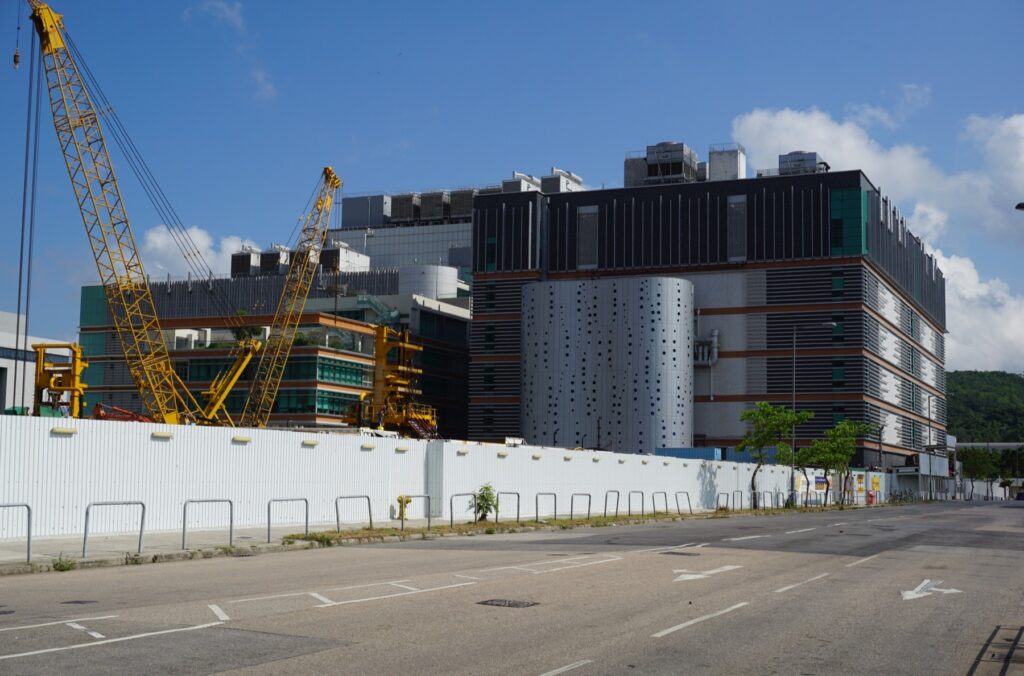
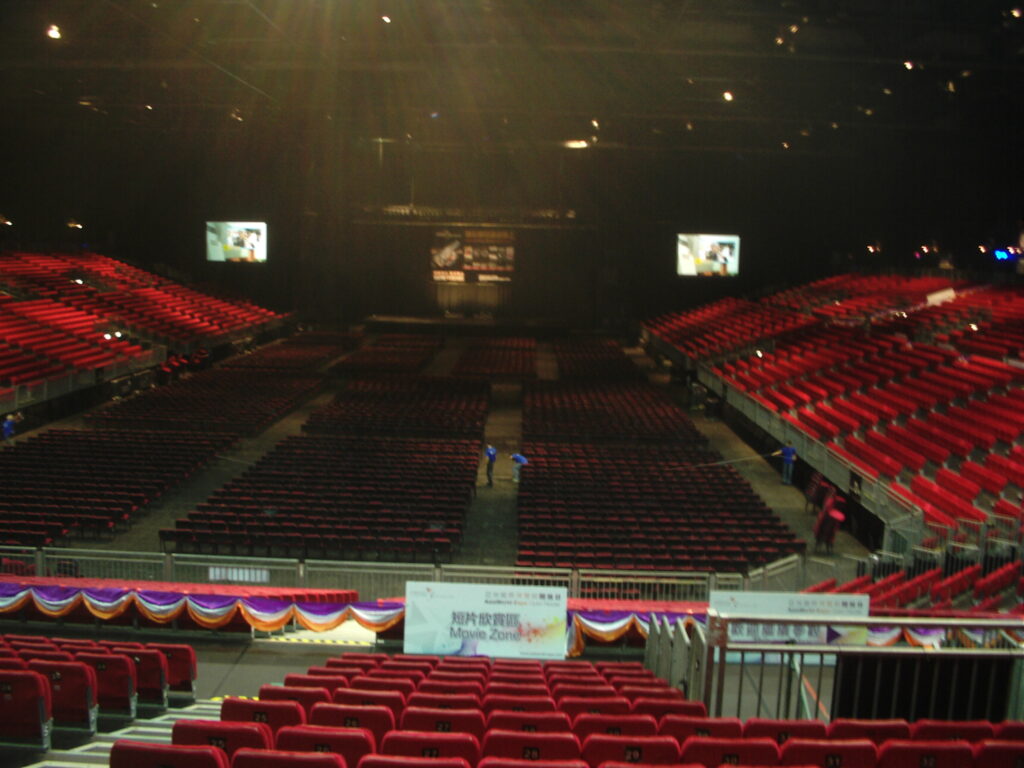
Capacity is the government’s answer to whether the momentum can hold. Chan said AsiaWorld-Expo Phase 2, expected to open in 2028 with a multipurpose arena seating about 20,000, and the Wan Chai North redevelopment, now moving at full speed, will together expand Hong Kong’s large-scale MICE space by more than 40%. The Tourism Board, he said, will keep working with the industry to design tailored experiences for high-value visitors.
The calendar stays crowded through year-end. Chan said the Winterfest celebrations open in Central this month, with the light show extending to Tsim Sha Tsui and Causeway Bay this year; the Clockenflap music festival at the Central harbourfront, international badminton events at Kai Tak Sports Park, several large concerts and a New Year’s Eve countdown follow.