A bill read in Parliament on October 6 would put Singapore port cybersecurity under the port regulator and rewrite how terminals, pilots and tugs are licensed. Which systems are covered, and when any of it starts, are still open.
Singapore’s port regulator would be able to designate shipping and terminal computer systems for mandatory cybersecurity duties by unpublished written notice, under the Maritime and Port Authority of Singapore (Amendment) Bill, read the first time in Parliament on October 6, 2026. None of it is law yet.
The bill, No. 24 of 2026, is at its earliest stage. The Maritime and Port Authority of Singapore (MPA) said in its October 6 release that Parliament will debate it at Second Reading in November 2026, and the bill itself says the amended act takes effect only on a date the Minister appoints by notification in the Gazette. Parliament can change it before then. What follows is what the bill proposes, not powers MPA holds today.
Singapore port cybersecurity: who could be designated
Part 1 of the bill would add a new Part 13B to the 1996 act letting MPA designate a computer system as “important information infrastructure” if it is owned or operated by a “maritime entity”, or is connected directly or indirectly to a system MPA owns or operates, and if MPA is satisfied it is necessary for the continuous delivery of an essential transport service and its loss or compromise would substantially affect or impair that service, the operation of the port or Singapore’s reputation as a provider of marine services. Maritime entity is defined widely, covering anyone providing an essential transport service in Singapore and the owner of any vessel in, or intending to enter, Singapore’s territorial waters, and the new Part applies to systems located or hosted outside Singapore.
Designated operators would have to hand over details of system design and configuration, report material changes within 30 days, report prescribed incidents, commission an approved audit at least once every five years, run an annual risk assessment and join MPA cyber exercises when directed. Most failures carry fines of up to S$20,000, six months in jail, or both. Systems already designated as critical information infrastructure under Singapore’s Cybersecurity Act 2018 are excluded, so the new regime reaches systems the national law does not already cover.
Two details matter more than the fines. The bill says a designation notice “need not be published in the Gazette”, which the explanatory statement attributes to “the sensitivity of information”. And the deadline for reporting an incident is not in the bill at all: operators must report “within the prescribed period”, to be set later in regulations.
The MPA amendment bill rewrites port licensing
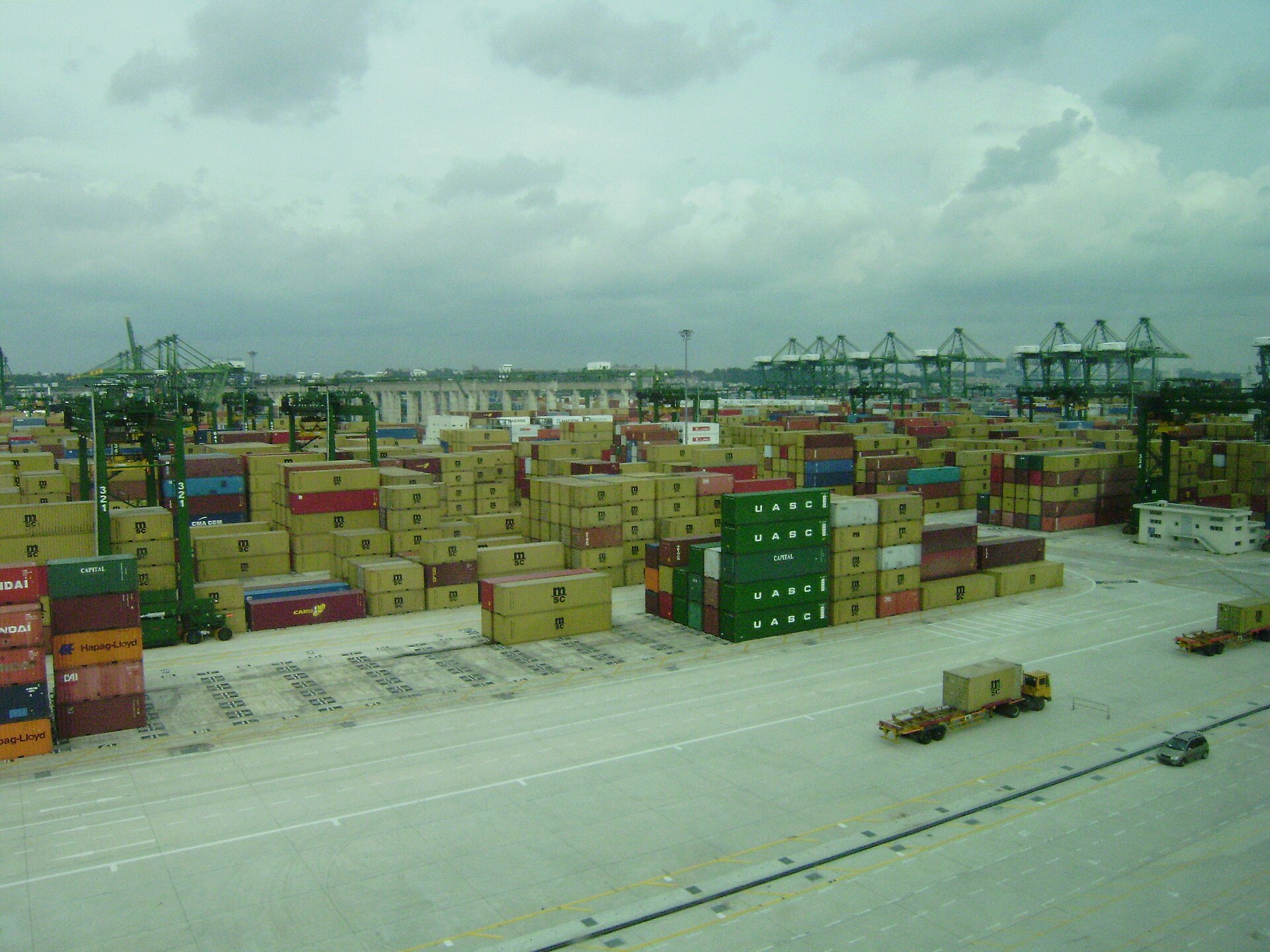
Part 2 replaces the existing licensing part of the act with a single regime for “regulated services”, which a new Fourth Schedule lists as five: cargo terminal services and facilities, passenger terminal services and facilities, pilotage, towage, and water supply to vessels. The Minister could add to that list by order in the Gazette. Providing a regulated service without a license would be a strict liability offense, with fines of up to S$500,000 for a company or other non-individual.
The heavier lever is administrative. MPA could direct a licensee to pay a financial penalty of up to the higher of S$1 million or 10% of the annual turnover it earns in Singapore from the licensed service, suspend a license for up to 12 months, demand performance bonds or revoke the license without compensation. Prescribed licensees would also need MPA’s prior written approval before appointing key appointment holders, a term that includes board members. Existing licenses would carry over under transitional provisions in clause 21.
Port expansion, remote pilotage and wrecks
Part 3 gives MPA powers to direct owners of related marine facilities to let licensees install equipment and use their facilities, to enter a licensee’s premises on at least 14 days’ written notice to lay essential port infrastructure, and to create rights over licensee land by Gazette order. Compensation follows a new Fifth Schedule that excludes financial loss from business interruption. Part 4 redefines a pilot to include someone conducting a vessel from elsewhere, while Part 5 lets MPA remove wrecks and stranded vessels where there is an imminent risk or the owner cannot be found, and lets its officers enter premises without a warrant to inspect licensee records.
What the MPA amendment bill leaves open
Analysis has to stay modest, because so much is deferred. The 10% turnover cap is the headline number, but it applies only to the five licensed services. The cyber part reaches further: on the bill’s own definitions, a foreign shipowner whose vessel calls at Singapore is a maritime entity, and a third-party system linked to MPA’s own can be designated whoever owns it. Which systems MPA actually picks, and on what timeline, would be known to the designated operators and MPA, and need not be published.
Hong Kong has its own cross-sector law. Its Protection of Critical Infrastructures (Computer Systems) Ordinance (Cap. 653) came into operation on January 1, 2026, and the Commissioner’s Office lists maritime transport among the eight essential-service sectors it covers. Singapore is building a sector-specific tier inside its port authority’s own act, alongside its national law. MPA frames the bill as a response to digitalization and new technology since 1996. Separately, on October 2 it announced an AI-assisted ship registration system that it targets to launch in the first half of 2027.
The bill’s financial note says it will not involve the government in any extra expenditure. Under the bill, notified operators commission their own audits. They would be the first to learn whether they have been designated, by a notice the bill does not require to be gazetted.