Hong Kong’s MTR settlement sets a HK$2.25 billion payment for express-rail delays and closes off reciprocal delay claims on the Shatin to Central Link. Previously absorbed costs are part of the explanation, not another new check.
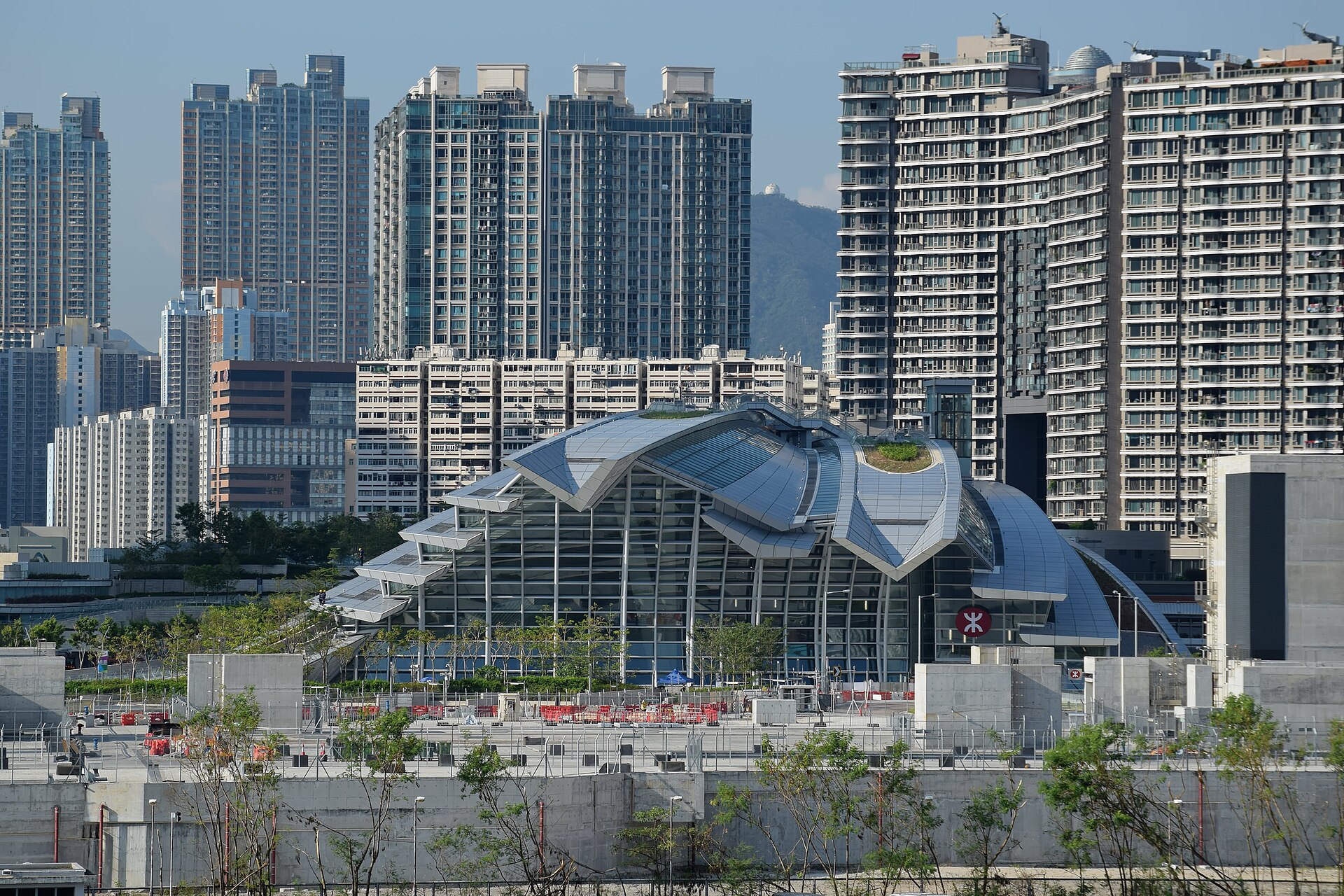
Hong Kong’s MTR settlement, announced by the government on October 2, resolves disputes over two publicly funded railway projects through negotiations under their entrustment agreements. MTR Corporation will pay the government HK$2.25 billion over construction delays on the Hong Kong section of the Guangzhou-Shenzhen-Hong Kong Express Rail Link.
The Shatin to Central Link has a different settlement structure. According to the government’s announcement, MTR had already shouldered approximately HK$2.8 billion in additional project-management costs and costs arising from the Hung Hom Station Extension quality incident. The two sides have now agreed not to pursue claims against each other for delays on that project.
That distinction matters. Adding the figures produces about HK$5.05 billion, but it would be misleading to describe the sum as a newly announced cash payment. One amount is a payment MTR will make; the other is expenditure the government says the company had previously absorbed.
MTR settlement: two projects, different terms
The Transport and Logistics Bureau said both parties reviewed substantial material and obtained independent engineering and legal advice before reaching agreement through multiple rounds of discussions. Its announcement presents the arrangement as a negotiated resolution, not a court judgment allocating liability after trial.
For readers assessing accountability, that limits what can safely be concluded from the public statement. The agreed payment is a concrete outcome. It is not, by itself, a published judicial finding on every disputed act, every contractor’s responsibility or every dollar of the projects’ increased costs.
Equally, the reciprocal agreement not to pursue Shatin to Central Link delay claims should be read at the scope the government describes. The announcement identifies claims between the government and MTR for project delays. It should not be stretched into a claim that every conceivable dispute involving those works has disappeared.
Rail project costs: the history still matters
The government’s account puts the express-rail project’s original estimated completion cost at HK$65 billion. A 2015 agreement raised that estimate to HK$84.42 billion, an increase of HK$19.42 billion, and extended the completion program to the third quarter of 2018. The line entered service in September 2018.
For the Shatin to Central Link, the estimated completion cost increased from HK$79.82 billion to HK$90.73 billion. The government says the additional HK$10.91 billion sought from the Legislative Council excluded the approximately HK$2.8 billion in costs MTR shouldered. Those are different accounting categories, another reason not to compress the story into one undifferentiated bill.
The official chronology records full commissioning of the Tuen Ma Line in June 2021 and opening of the cross-harbor extension in May 2022. The settlement therefore concerns the financial and contractual aftermath of projects already carrying passengers, not a new opening date or an announcement that construction has finally finished.
Rail project oversight: a settlement is not a delivery guarantee
The bureau says governance, monitoring and cost-management changes developed after the delays are being applied to current railway projects. It also says MTR must bear construction and operational risks, including cost overruns, under the agreements for the new projects identified in its statement.
That is the government’s account of the contractual position, not evidence that future projects will necessarily arrive on time or within budget. The practical test remains delivery. October’s agreement puts a price and a negotiated end to specified old disputes; it does not make the next construction timetable self-enforcing.