The ESWIN IPO has an October 6 application deadline and an expected October 9 trading debut. Its chip-development ambitions come with rising revenue, substantial losses and a concentrated customer base.
The ESWIN IPO is approaching its next deadline: Beijing ESWIN Computing Technology’s September 28 prospectus schedules the close of Hong Kong public-offer applications for noon on October 6, with dealings expected to begin on October 9 under stock code 01256. The company is offering 1,570,204,000 H shares before any offer-size adjustment, at an indicative HK$1.48 to HK$1.59 each.
At the top of that range, the initial offering would raise approximately HK$2.50 billion before expenses. That is a calculation from the announced share count and maximum price, not money already received. The final price has yet to be established under the published timetable.
ESWIN IPO: the timetable has several deadlines
The prospectus sets an earlier cutoff of 11:30 a.m. on October 6 for completing White Form eIPO applications. Payment and electronic application instructions to Hong Kong Securities Clearing Company are due by noon. Brokers and custodians can set their own instruction deadlines, so their customers cannot assume that the published closing time is the last moment available to them.
All those times are Hong Kong local time. Price determination is expected by noon on October 7, followed by an announcement of the final price, demand and allocation basis no later than 11 p.m. on October 8. Trading is scheduled to start at 9 a.m. on October 9, subject to the offering becoming unconditional.
The distinction between an application, an offer and a completed listing matters here. ESWIN has published a prospectus and an offer timetable, rather than merely filing a listing application. But the prospectus also says the offer will lapse if the price is not agreed by the October 7 deadline. The proposed debut is not an unconditional promise.
Hong Kong share offer: price and allocation remain separate
The initial Hong Kong public tranche comprises 157,022,000 shares, subject to reallocation. The remaining 1,413,182,000 shares are assigned to the international offering, subject to reallocation and the offer-size adjustment option. Those two initial tranches add up to the announced global offering.
The prospectus requires a minimum application of 2,000 shares. Its application table gives HK$3,212.07 as the amount payable for that minimum through White Form eIPO, including the specified charges at the maximum offer price. That payment is not a guarantee of receiving the requested shares; the final allocation and any applicable refund come later.
For readers following the offer rather than applying, the more useful comparison is between gross and net fundraising. ESWIN estimates net proceeds of about HK$2.267 billion at an assumed HK$1.54 offer price, after commissions, fees and estimated expenses, with no offer-size adjustment. That estimate uses different assumptions from the HK$2.50 billion maximum-price calculation.
ESWIN financials: growth has not yet delivered a profit
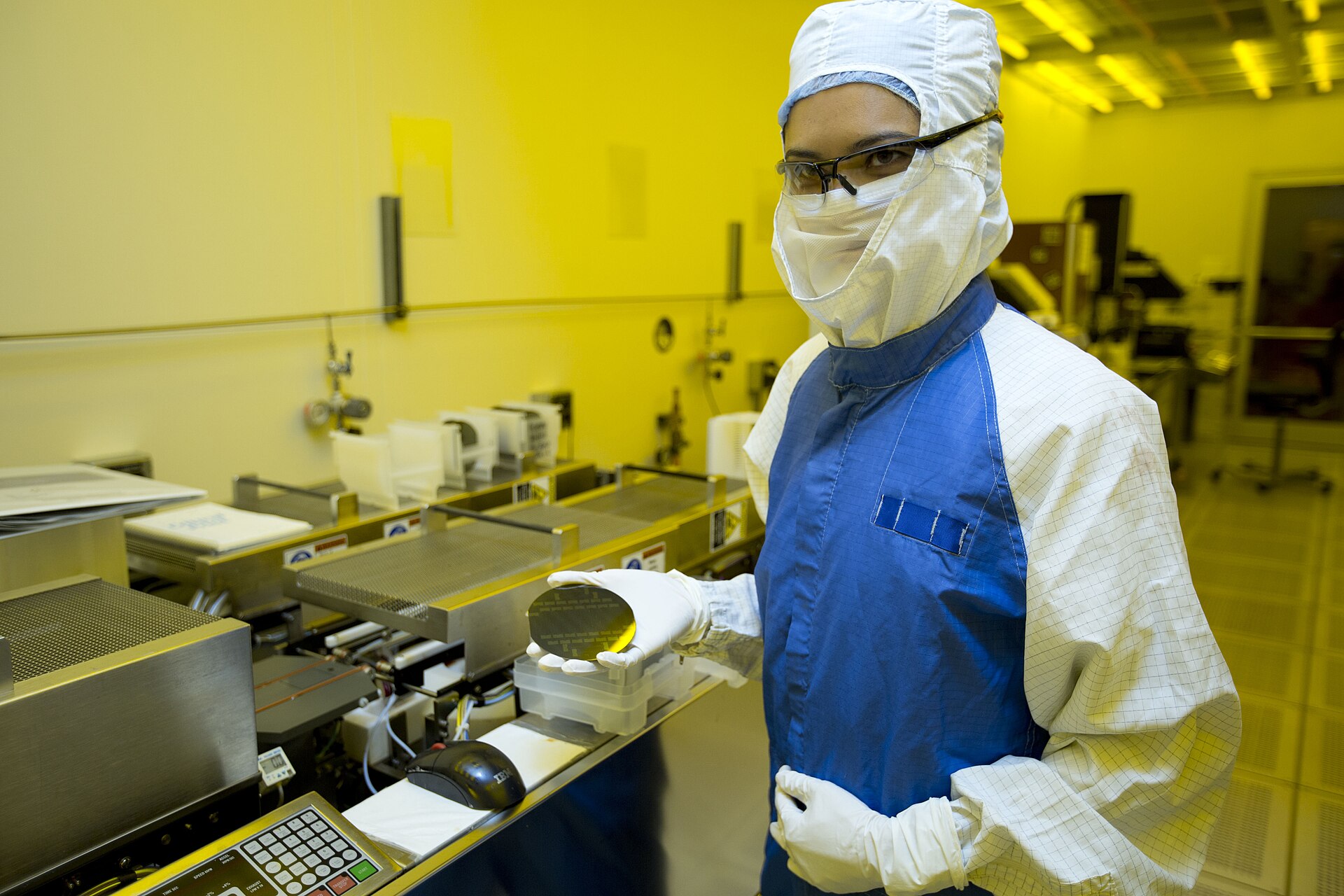
ESWIN describes itself as a China-based chip-product provider oriented toward RISC-V architecture. It researches and designs products and outsources integrated-circuit manufacturing, packaging and testing. Its offerings span human-machine interaction and multimedia processing, alongside interconnectivity and computing products.
According to the prospectus, revenue increased from approximately RMB2.025 billion in 2024 to RMB2.431 billion in 2025. The reported loss for 2025 was approximately RMB1.516 billion. For the first three months of 2026, revenue was approximately RMB494.2 million and the loss was RMB374.9 million. These are reported losses, not the company’s separate adjusted-loss measure.
Customer concentration is another substantial part of the investment case. ESWIN says its five largest customers accounted for 89.5% of 2025 revenue, while the largest alone contributed 64.6%. The largest-customer share fell to 39.3% in the first quarter of 2026, but a shorter reporting period is not enough to establish a permanent change in the business.
ESWIN IPO proceeds: development comes first
The company plans to allocate approximately 35% of net proceeds to developing new chip products or improving existing ones and 30% to its integrated hardware-software platform. Another 15% is earmarked for potential strategic mergers and acquisitions, 10% for its marketing network and 10% for working capital and general corporate purposes. Those allocations are plans, not completed spending.
The prospectus says ESWIN expects net losses for the foreseeable future. That makes the October timetable the immediate news, but not the whole story. After the offer closes, the longer test will be whether product investment and a broader customer base can turn expanding sales into a business that earns more than it spends.