Swissport’s Indonesia cargo agreement starts with an established Jakarta business, not an empty warehouse. The expansion case depends on what the partners can add beyond it.
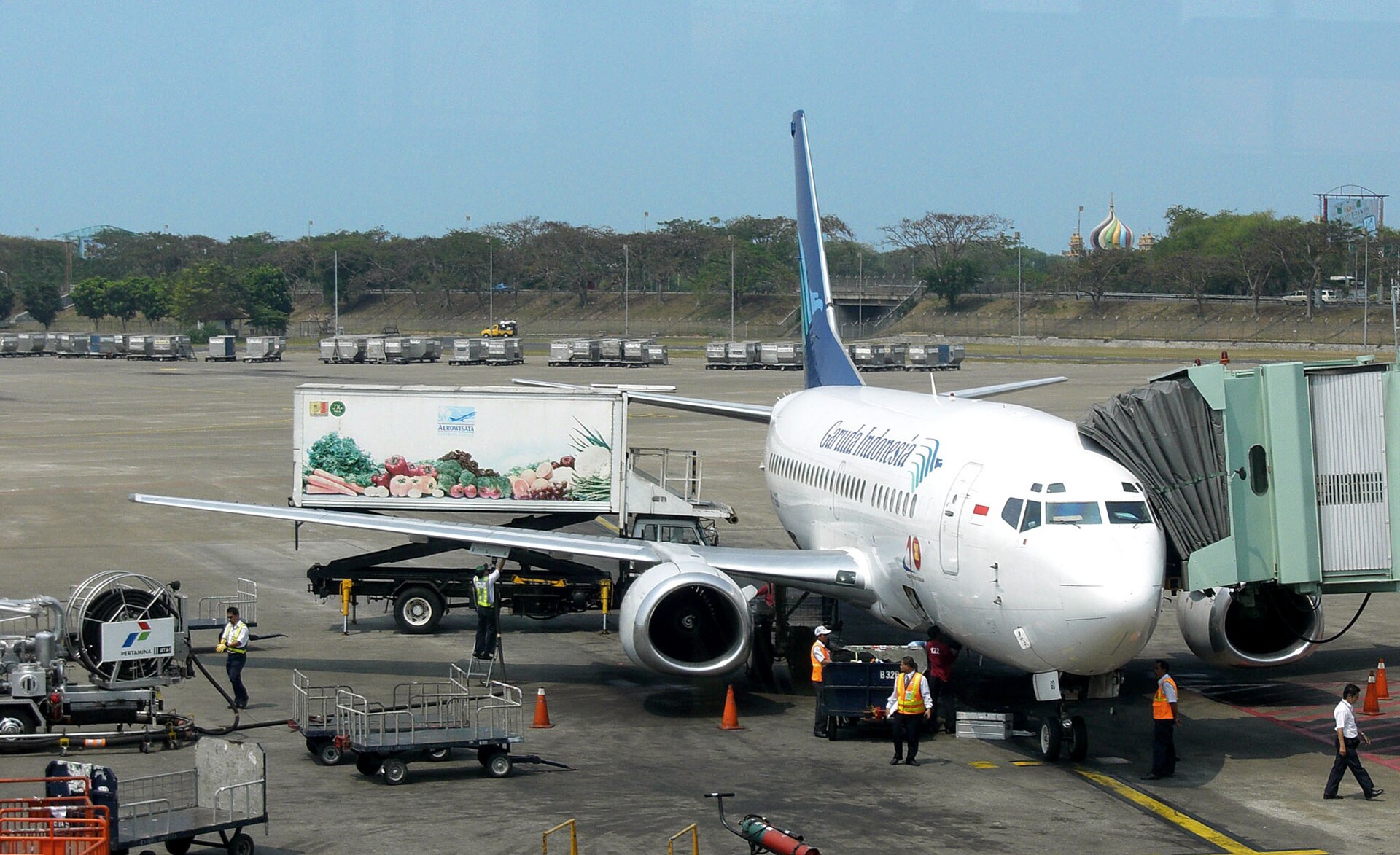
Swissport’s Indonesia cargo plans gained a concrete foothold on September 28, when the company announced binding transaction agreements for a joint venture with Jakarta-based UNEX Aviation Services. Swissport said it would acquire a stake in the company, whose existing business includes air cargo warehousing at Soekarno-Hatta International Airport.
That is a more useful starting point than a map covered in proposed destinations. The agreement gives Swissport a route into an existing handling operation and a local partner. It does not, by itself, establish additional warehouse capacity, faster cargo release or a nationwide operating network.
Indonesia cargo: an operating base before an expansion plan
According to Swissport’s announcement, UNEX provides warehousing and related services to domestic and international airlines at Jakarta’s airport and holds nationwide ground handling licenses. Swissport says UNEX was established in 2003, while its wider group’s experience in Indonesian aviation services dates to the 1980s. The distinction matters: the history of a group is not the age of the individual business being acquired.
The partners plan to extend their offering into ramp handling and passenger services and to operate at additional Indonesian airports. Those are stated intentions. The release does not name the next airports, set opening dates or quantify the extra cargo capacity that would accompany the expansion.
Air Cargo News reported the agreement on September 28 and noted that Swissport had not elaborated on the joint venture or the stake. Its account supports the existence of the announcement, but is not separate confirmation of transaction completion. The primary release describes signed agreements and a stake Swissport “will acquire.”
Swissport joint venture: scale is not the same as service
Swissport already has a regional operating base. In the same announcement, it lists operations in China, Japan, South Korea, Australia and New Zealand, and reports that its Asia-Pacific business handled approximately 450,000 metric tons of cargo in 2025. That is the company’s regional figure, not UNEX’s throughput and not a forecast for Indonesia.
The commercial question is what that experience changes for airlines and forwarders using Jakarta. A larger international partner could bring common operating procedures, systems and customer relationships. Whether those translate into more dependable acceptance and release times is something customers should test through service commitments, not infer from the size of the network.
For an airline seeking handling services in several markets, a wider supplier footprint may simplify negotiations. For a forwarder, the more immediate questions are local: warehouse cutoffs, cargo availability, responsibility when something goes wrong and whether the same service standard applies across shifts. Those are tests of execution, not announced benefits of this transaction.
UNEX Aviation Services: watch the next operational commitment
The agreement’s value will become clearer when the partners identify what changes at the existing Jakarta operation and what opens elsewhere. A named airport, a defined service scope and a start date would give customers something they can incorporate into procurement and routing decisions. An ambition to expand across Indonesia cannot yet do that work.
There is also no basis in the release for treating a nationwide license as evidence of nationwide cargo facilities. Authorization, physical capacity and a customer-ready service are different things. Buyers should ask which of those is actually being offered at each location.
Swissport has announced a credible route into Indonesia through a business already handling cargo. The next milestone is not another statement about market potential. It is a service the customer can book, measure and hold someone accountable for delivering.