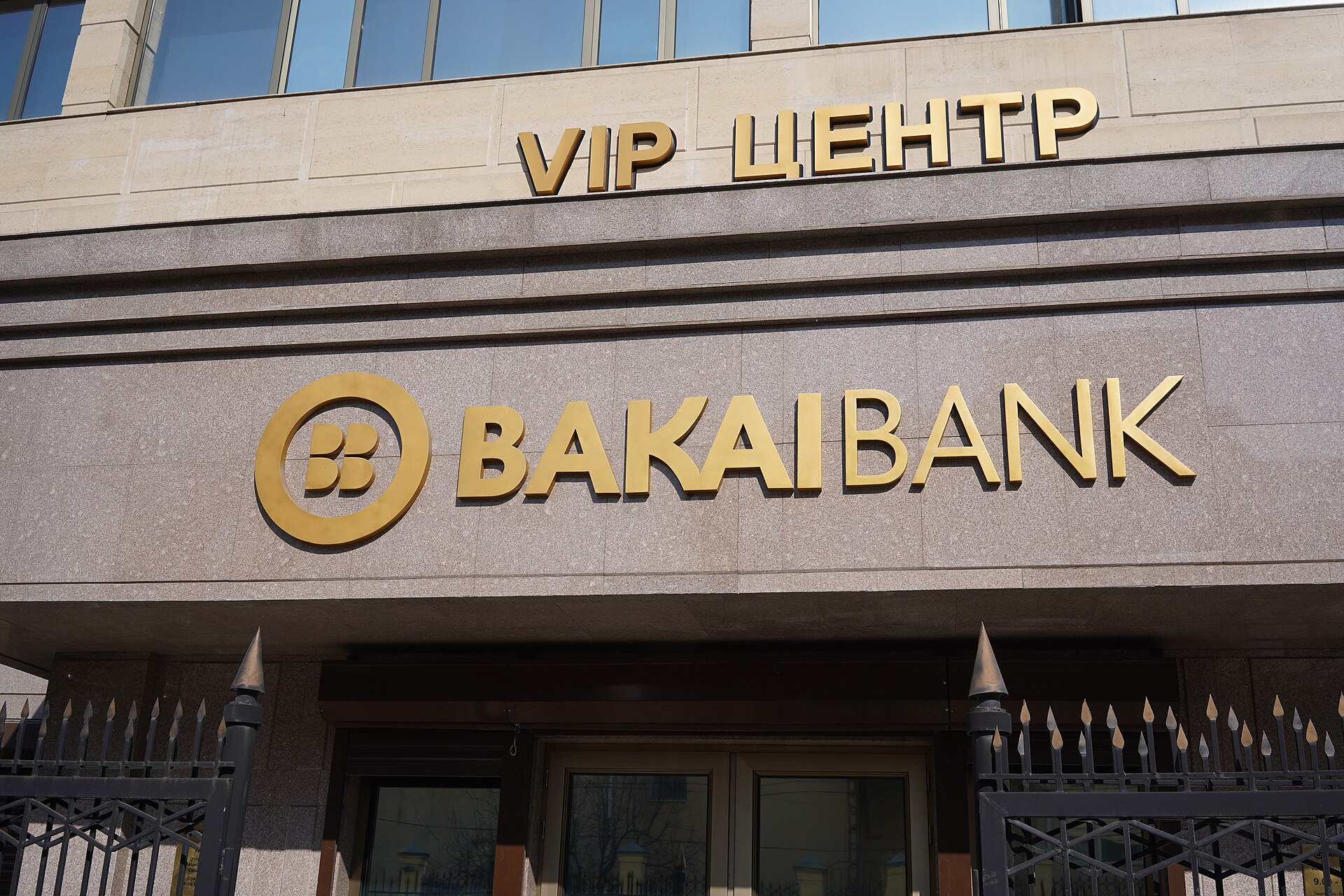
Kyrgyzstan’s Bakai Bank has a restricted banking license in Hong Kong, effective October 5. The license points it at corporate and wholesale business, not retail accounts, and neither announcement gave figures for capital, staff or lending.
The Hong Kong Monetary Authority has granted a restricted banking license under the Banking Ordinance to BAKAI BANK Open Joint Stock Company, a lender incorporated in the Kyrgyz Republic. The grant took effect on October 5, 2026, according to the HKMA’s announcement. With Bakai Bank added, Hong Kong has 17 restricted license banks, the regulator said.
Invest Hong Kong, the government’s investment promotion department, issued a separate statement the same day describing Bakai Bank as a leading commercial bank in the Kyrgyz Republic and calling the license a first: the first bank from Central Asia to have a presence in the Asia-Pacific region. That claim comes from InvestHK. The HKMA’s own notice does not make it.
What a restricted banking license allows in Hong Kong
Hong Kong runs a three-tier system of deposit-taking institutions: licensed banks, restricted license banks and deposit-taking companies. The HKMA describes restricted license banks as principally engaged in merchant banking and capital market activities. They may take deposits of any maturity of HK$500,000 and above. Full licensed banks are the ones that operate current and savings accounts and accept deposits of any size from the public.
That framing matches what the bank says it will do. InvestHK said Bakai Bank will set up a restricted license bank branch under the name Bakai Bank Open Joint-Stock Company (Hong Kong Branch). Andreas Meletiou, chief executive of Bakai Bank Hong Kong, said in the InvestHK statement that cross-border banking needs along the Central Asia and Asia-Pacific corridor “remain underserved” and that “Bakai Bank Hong Kong is positioned to help address this gap by supporting corporates and financial institutions with trade, payments and treasury solutions.”
A Central Asia banking link tied to Belt and Road policy
InvestHK said the branch is meant to capture growing trade, investment and capital demand along the Central Asia and Asia-Pacific economic corridor under the Belt and Road Initiative. It called the license a milestone arising from the Chief Executive’s business delegation visit to Central Asia in June. That delegation’s announced itinerary was Kazakhstan and Uzbekistan. InvestHK said it secured the bank’s interest during its own visit to Central Asia, which covered the Kyrgyz Republic, and has since helped with licensing advice, regulatory alignment and local introductions. Director-General of Investment Promotion Alpha Lau placed the arrival within Hong Kong’s First Five-Year Plan for 2026 to 2030 and the city’s push to consolidate its role as an international financial center. She said the bank’s arrival unlocks “potential opportunities” in offshore renminbi business, international asset and wealth management and gold trading.
Those are opportunities as described by a promotion agency, not business the bank has announced. Neither the HKMA nor InvestHK statement disclosed the branch’s capital, headcount, opening date for customer business, or any lending or deposit targets.
What to watch at Bakai Bank Hong Kong
The license is a regulatory fact. The business case is still a plan. The useful markers will be whether the branch appears in trade finance and payment flows between Central Asia, the Chinese Mainland and Hong Kong, and whether other lenders from the region follow. For now, Hong Kong’s count of restricted license banks moves up by one, to 17, and the category Bakai Bank joined is built for wholesale clients rather than walk-in savers.