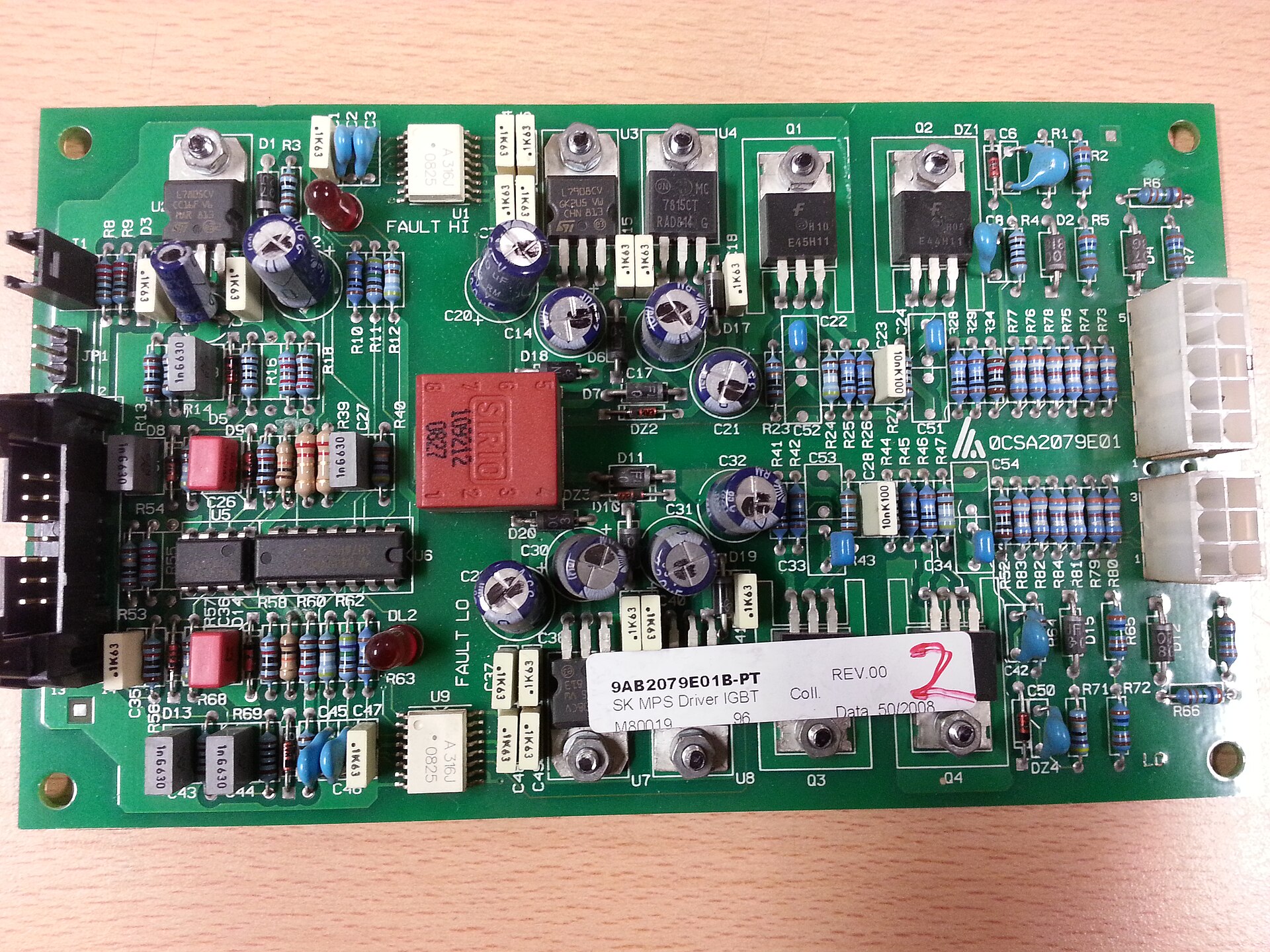
Printed circuit board manufacturer Kinwong plans to direct about HK$2.98 billion from its Hong Kong share sale toward production expansion and upgrades, as it seeks more business from AI-related electronics. The investment plan arrives with a warning in its latest financial numbers: revenue is growing faster than gross profit.
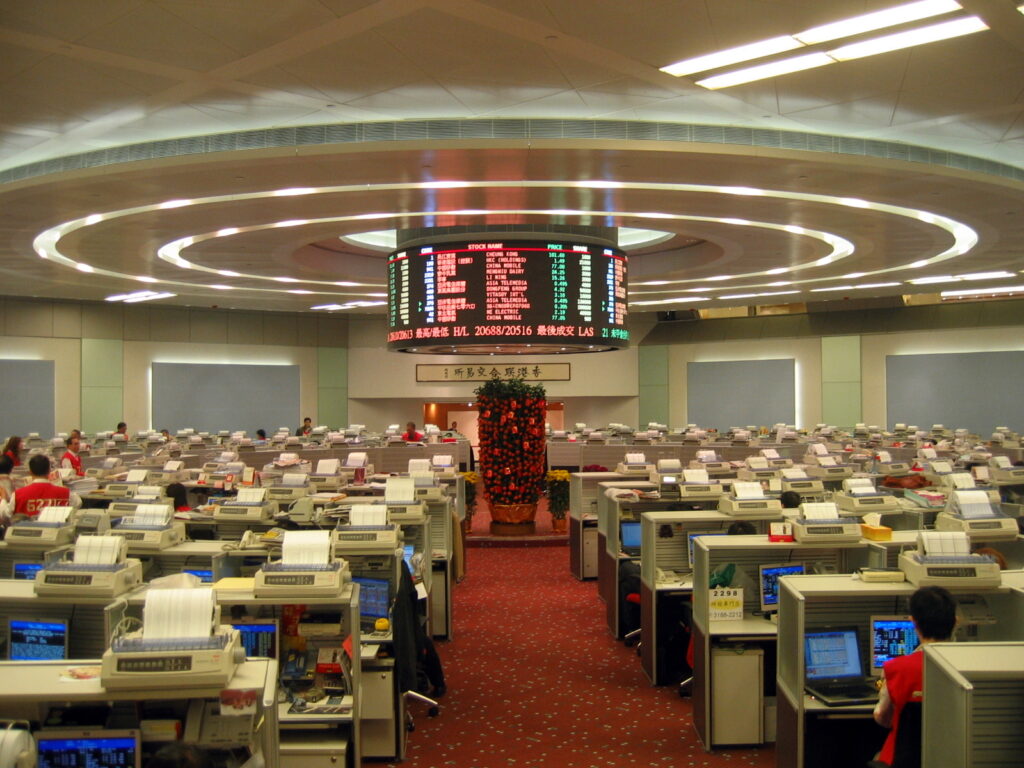
Shenzhen Kinwong Electronic began trading in Hong Kong on September 29 under stock code 3228, according to HKEX’s newly listed securities record. The company was already listed in Shanghai. Its Hong Kong offer has been priced and allocated, so this is a completed listing, rather than another application in the IPO queue.
The September 28 allotment announcement set the final price at HK$69.88 for each of 72,944,300 H shares. It reported gross proceeds of HK$5,097.3 million and estimated listing expenses of HK$136.7 million, leaving net proceeds of HK$4,960.6 million.
Two factory programs take the largest share
Kinwong’s September 21 prospectus allocated 60% of net proceeds, approximately HK$2,976.4 million, to capacity for higher-value products. The final offer price matched the maximum price used to calculate that plan.
The larger component is approximately HK$1,785.8 million for the Jinwan production base in Zhuhai. Kinwong plans to expand high-layer-count and high-build-up, high-density interconnect circuit board capacity there. Proposed equipment purchases include laser drilling machines and automated plating lines. The company identifies AI servers as an application for this production expansion.
Another HK$1,190.5 million is intended for the Longchuan base in Heyuan, with a focus on multilayer flexible circuit boards for edge-AI and smart-device applications. The prospectus identifies uses including smartphones, premium wearables and smart-home devices. These allocations describe intended expenditure; they do not establish that the new equipment has been installed or that the associated demand has materialized.
Research and development is assigned a further 15% of net proceeds, approximately HK$744.1 million. The same proportion is earmarked for repayment of existing interest-bearing bank loans. The remaining 10%, approximately HK$496.1 million, is intended for working capital and general corporate purposes. The company says the allocations can change with its business needs and market conditions.
Sales growth meets manufacturing costs
The prospectus’s unaudited first-half financial information puts revenue for the six months ended June 30, 2026 at RMB8,611.5 million, up 21.4% from a year earlier. Gross profit rose 14.7% to RMB1,741.5 million. The gross margin fell to 20.2% from 21.4%.
Kinwong attributed that margin pressure partly to higher raw-material prices, particularly copper-clad laminates, and price competition in automotive electronics. It also cited fixed costs spread over lower initial output at new production bases and relatively low initial yields in high-end capacity, especially high-density interconnect boards.
There was an offset inside the business. The company reported that the gross margin in telecommunications and data infrastructure increased to 19% from 13.5%. It attributed part of that improvement to higher-margin AI-related orders beginning to ramp up. Those segment figures should not be mistaken for the margin of the whole group.
The figures make factory execution an important part of this financing story. More capacity can support sales, but the company’s own explanation shows that bringing new plants and products up to speed can weigh on margins along the way.
The Hong Kong public offer was subscribed 94.25 times. The operating question now is whether Kinwong can turn its planned equipment and technology spending into profitable output. Its first-half results provide a useful baseline for judging that progress.