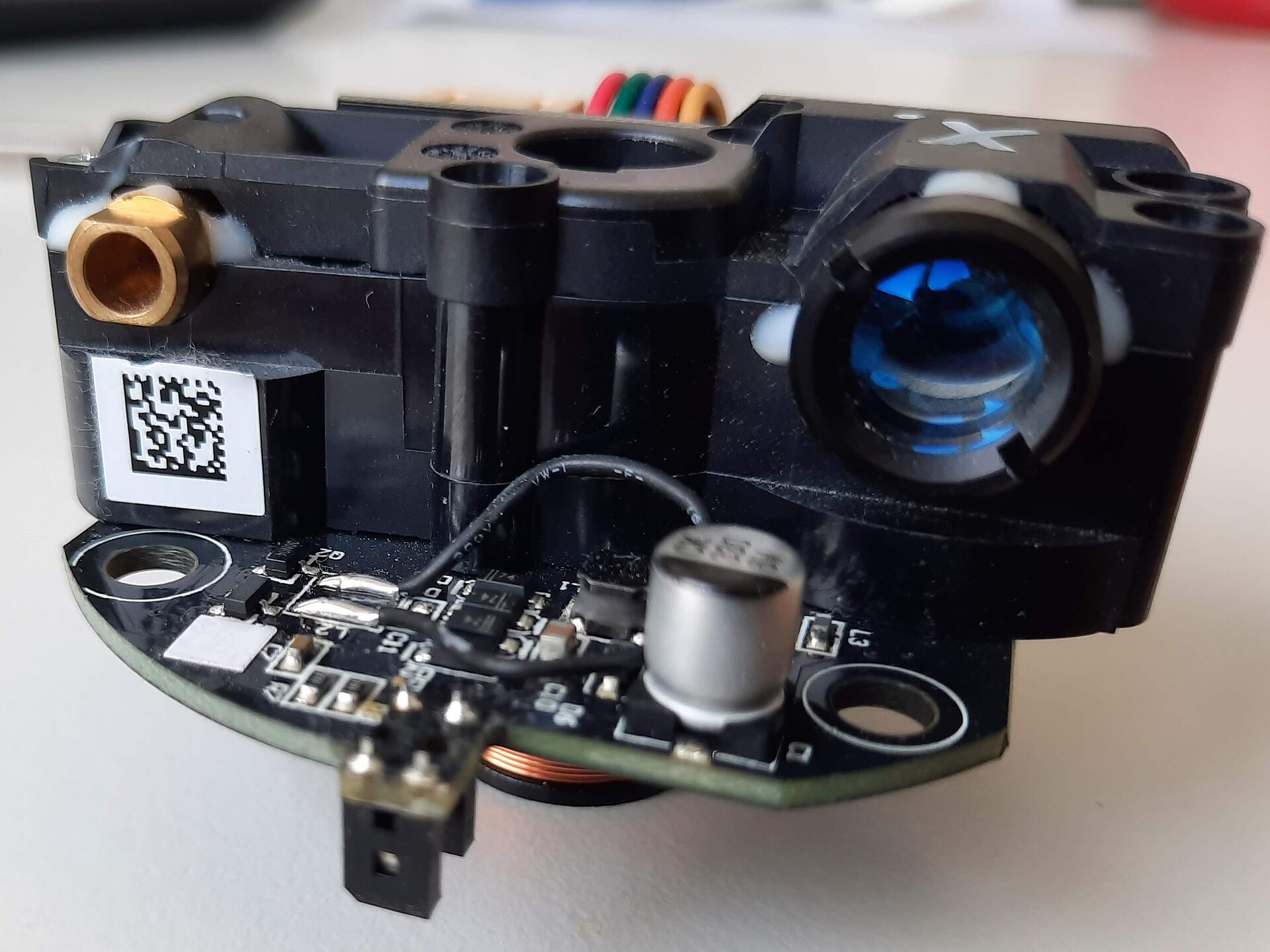
Camsense plans to put almost two-thirds of its net Hong Kong IPO proceeds into sensor research, with the funding available slightly smaller than the headline figure in its allotment announcement. After an additional underwriting incentive, the company estimates it will retain HK$609.4 million, assuming no exercise of the over-allotment option.
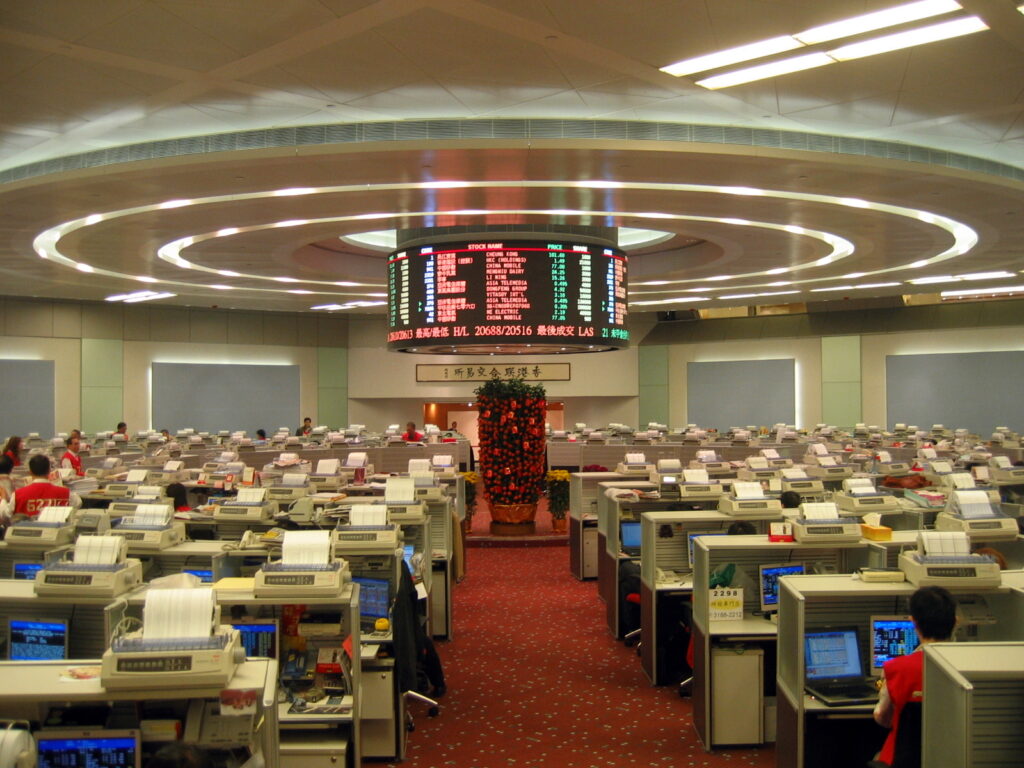
Shenzhen Camsense Technologies began trading on September 30 under stock code 6802, according to HKEX’s newly listed securities record. Its offer was priced at HK$58.85 a share. This is now a listed company, with the public subscription and allocation stages completed.
Where the money is going
In its September 29 allotment filing, Camsense earmarked approximately HK$396.1 million, or 65% of adjusted net proceeds, for research and development. The stated aim is to strengthen core technology and develop sensor products. Another HK$152.4 million, or 25%, is intended for manufacturing capabilities. Working capital and general corporate purposes account for the remaining HK$60.9 million.
These are spending plans, rather than evidence that new research programs or production facilities have already delivered results. The allocation puts product development ahead of factory expansion in the use of this particular financing.
The proceeds calculation needs care. The filing’s summary shows HK$682 million of gross proceeds and HK$615.4 million after estimated listing expenses. That net figure excludes an additional HK$6 million incentive fee payable to China International Capital Corporation Hong Kong Securities Limited upon listing. Including that fee takes estimated listing expenses to HK$72.6 million and net proceeds to HK$609.4 million. The detailed spending allocations use the lower amount.
Heavy demand, limited freely tradable stock
The Hong Kong public offer was subscribed 3,546.91 times, the company reported. It received 157,315 valid applications, of which 11,589 were successful. That demand did not increase the public tranche: 1,158,900 shares remained allocated to it, about 10% of the base offer, with no shares reallocated from the international offering.
For applicants seeking a single 100-share lot, the allocation table shows 1,143 successful applicants out of 57,110. The approximately 2% success rate for that application size illustrates how little stock reached many individual subscribers.
Demand at the offer price does not establish a sustainable trading price. The filing carries a high-concentration warning, saying relatively small volumes could cause substantial price movements. Its public-float and free-float figures also describe different pools of stock.
On the assumption that the over-allotment option was not exercised, Camsense reported public float of 60.58% of issued share capital. Excluding cornerstone shares locked up for six months and converted shares held by existing shareholders locked up for 12 months, the free float at listing was 9,719,600 shares, or 10.06% of total issued capital.
The filing also disclosed 1,738,300 over-allocated shares. It said this position could be covered through the option, secondary-market purchases, deferred delivery or a combination. That disclosure alone does not show that the option was exercised or that additional proceeds were received.
For the business, the next test is how the planned research spending translates into products and orders. For investors assessing the new listing, the useful starting figures are the bonus-adjusted funding and the freely tradable share supply, alongside the crowded public subscription.