Korea’s privacy regulator published an English account on September 23, 2026, of a robot-vacuum review announced September 14. Its findings combine reassurance about the data examined with recommendations on consent, disclosures and safeguards.
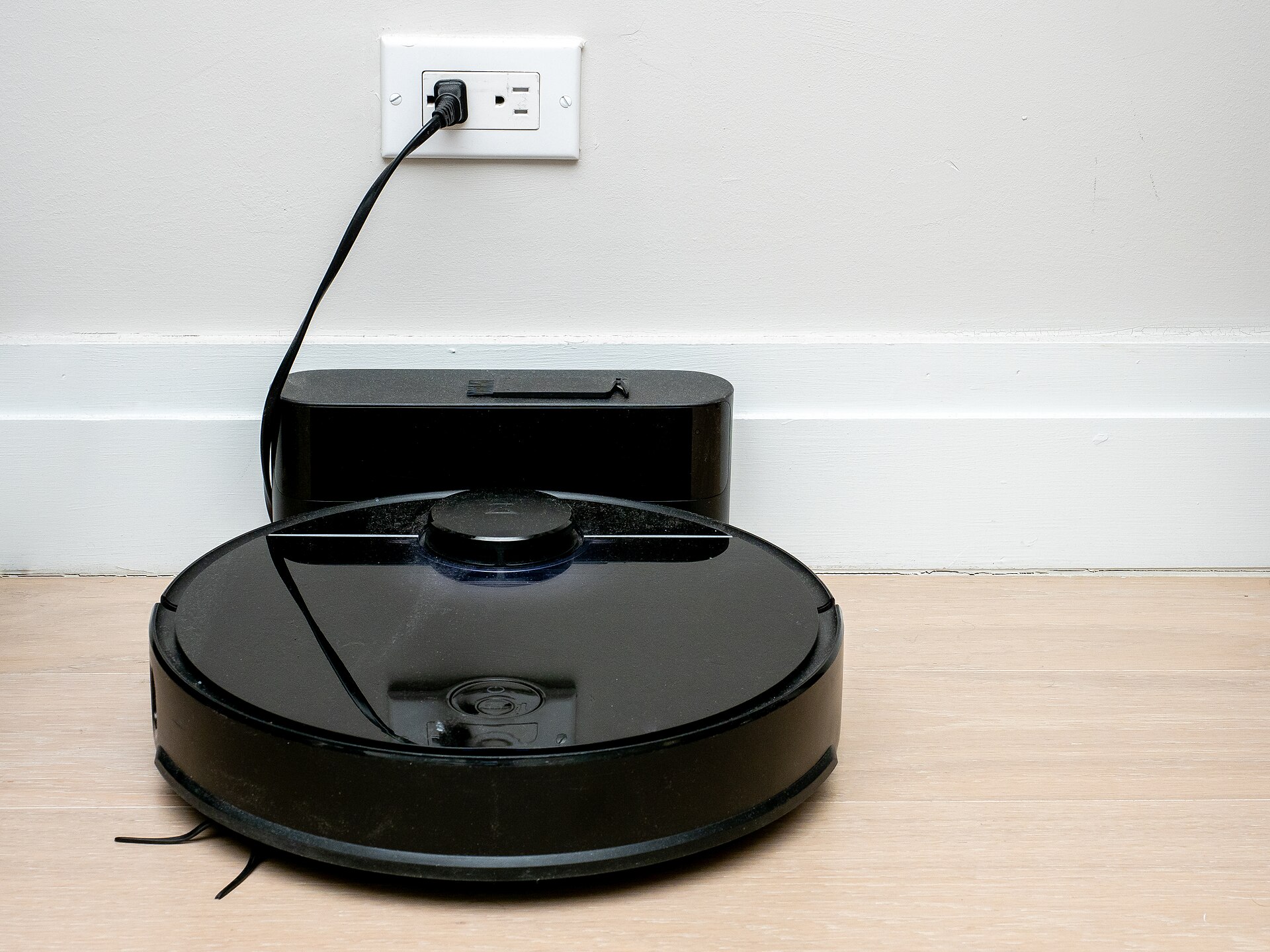
Robot vacuum privacy is not just a question of whether a camera feed leaks. In a September release, Korea’s Personal Information Protection Commission described a review that found no significant privacy risks in the collection, transfer or storage of the video, voice, photo and floor-map information it examined, while identifying practices needing improvement.
The review covered the latest models sold in Korea as of March 2025 by Roborock, Samsung Electronics, LG Electronics, ECOVACS and Xiaomi. That scope matters: the findings are not a certification of every connected appliance, every model now on sale or every product sold outside Korea.
User consent: a cleaning service is not every possible use
The commission said some businesses had not clearly distinguished the legal basis for different types of processing. It recommended clearer privacy policies, including the distinction between processing based on consent and processing needed to enter into or perform a contract.
It also reported instances where information was collected and used for service development without users being offered a choice. According to the release, businesses improved those practices so users could decide in advance whether to consent to collection and use for those purposes.
Tock’s analysis is that this is a more useful consumer question than asking whether a product has any privacy policy at all. A household should be able to understand which processing supports the service it requested and which processing serves an additional purpose. The review’s recommendations point toward making that distinction visible.
Korea data protection: say where information goes
The commission found cases where privacy policies did not disclose cross-border transfers despite the use of overseas data centers. It also criticized retention descriptions that were too broad and asked businesses to provide more specific information on transfers and how long personal information would be kept.
Its recommendations also covered domestic agents and security practices. The release described shortcomings in access controls and encryption of data in transit, while saying the latest models had addressed those shortcomings and further model improvements were in development.
Those points should be read alongside, not erased by, the regulator’s overall finding of no significant risks in the data handling examined. A review can identify disclosure and compliance gaps without reporting a demonstrated theft of household recordings.
Robot vacuum privacy: recommendations are not a breach finding
The commission said most businesses had addressed concerns raised during the fact-finding work, although some measures remained outstanding. It planned further recommendations and monitoring, together with assessment of privacy risks from new features in later models.
This report does not assign a particular shortcoming to an individual manufacturer where the English release describes businesses collectively. Nor does it report a fine, an established data breach or a finding that every listed brand committed every identified failing.
The published English account is expressly labeled an unofficial translation of a Korean release. Its September 23 webpage date is different from the September 14 date on the underlying release, and the model-review reference point is older still.
For buyers, the useful takeaway is a set of concrete questions about purpose, choice, overseas storage and retention. A machine can clean the floor while still leaving its privacy explanations in need of work.