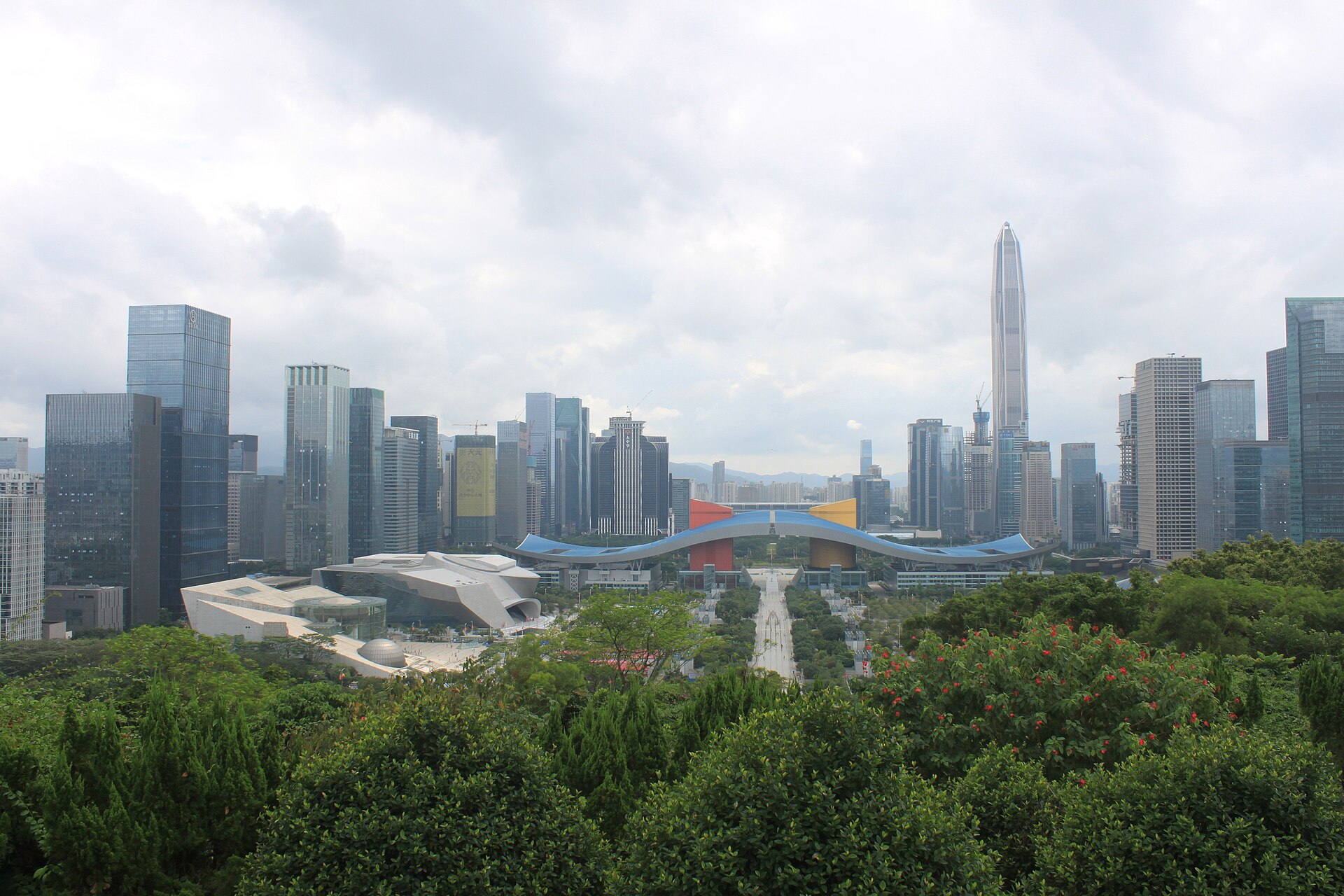
Shenzhen’s legislature has handed the city government a temporary power to make rules for the APEC leaders’ meeting in November. The Standing Committee of the Shenzhen Municipal People’s Congress passed the decision on September 30 and published it the same day as Notice No. 248. It took effect on publication and runs until November 30, 2026.
The decision is short. It does not close a road, ban a vehicle or set a security zone. What it does is let the Shenzhen Municipal People’s Government do those kinds of things by decree, for a limited period, without going back to the legislature for each one.
What the decision allows
Under the text, during the preparation and holding of the meeting, the city government may set “temporary administrative measures” in areas such as public safety, urban management and transportation. It must do so by issuing decisions or orders.
The power comes with conditions written into the same paragraph. Measures must follow principles the decision lists as in accordance with law, necessary, proportionate, precise and scientific. They must not contravene the basic principles of Shenzhen’s own local regulations. Each decision or order has to state a specific period of effect, be published promptly, and be filed with the Standing Committee for the record.
The decision opens by restating the date of the 33rd APEC Economic Leaders’ Meeting: November 18 to 19, 2026, in Shenzhen, Guangdong. The authorization therefore runs 11 days past the final day of the meeting.
According to a report of the session, the Standing Committee’s chairman, Dai Yunlong, presided. Officials from the city government, the municipal supervisory commission, the Intermediate People’s Court and the procuratorate attended as non-voting observers.
What is still missing
The decision gives the government the power. It does not say how the power will be used. TockHK found no Shenzhen government order issued under the decision as of October 7, and the reports of the session describe only the authorization itself.
That matters for anyone planning to be in the city in mid-November. The kinds of measures the text points to, in transport, city management and public safety, are the ones that change daily routines: traffic controls, restrictions near venues, and rules on street activity. Until the orders appear, there is no official list of what will apply, where, or for how long.
The filing and publication requirements give a way to track this. Each order has to carry its own time limit and be made public, so residents and visitors should be able to see the scope of each measure rather than rely on word of mouth.
The Hong Kong angle
The decision is a Shenzhen municipal measure. It does not mention Hong Kong, the land crossings between the two cities, or cross-border travelers. Any effect on people who cross the boundary to work, shop or visit would come through the specific orders the Shenzhen government issues, and TockHK found no such order as of October 7.
Hong Kong has its own APEC role this autumn. The host year’s meeting calendar lists the Finance Ministerial Meeting in Hong Kong in October, ahead of leaders’ week in Shenzhen in November. TockHK covered the finance ministers’ meeting and the build-up to the Shenzhen leaders’ meeting earlier this week.
What to watch
The next step is the first government decision or order made under this authorization. Watch for three things in each one: which districts or roads it covers, the start and end dates it sets, and whether it touches cross-border traffic. The authorization itself lapses on November 30, so measures made under it would be expected to end by then, although the text does not say so expressly.