By Tock HK
Hong Kong’s Food and Environmental Hygiene Department (FEHD) issued about 8,100 nuisance notices concerning dripping air conditioners this year through September 30, a spokesman said November 10, describing a year of stepped-up enforcement, door-to-door inspections and a fully deployed AI-enabled detection system.
The spokesman said the figure represents an increase of about 16 percent over the corresponding period last year and about 54 percent over the same period in 2024, and is roughly four times the count for the same period in 2023. More than 99 percent of households that received the notices have addressed the dripping problem as required, according to the department.
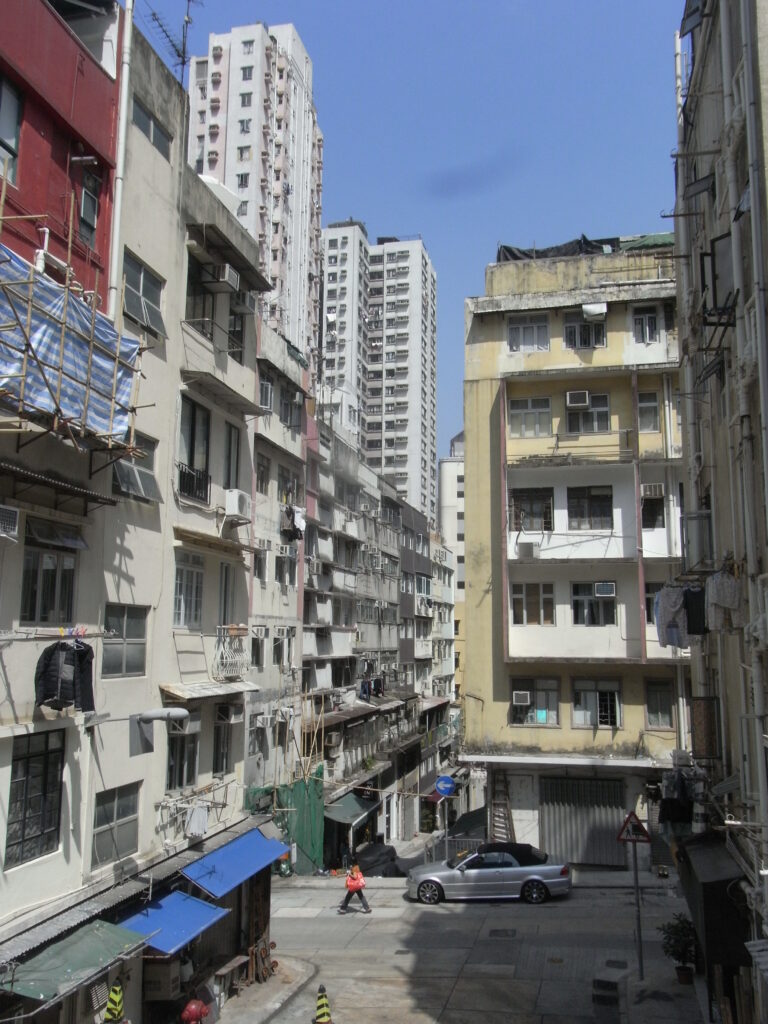
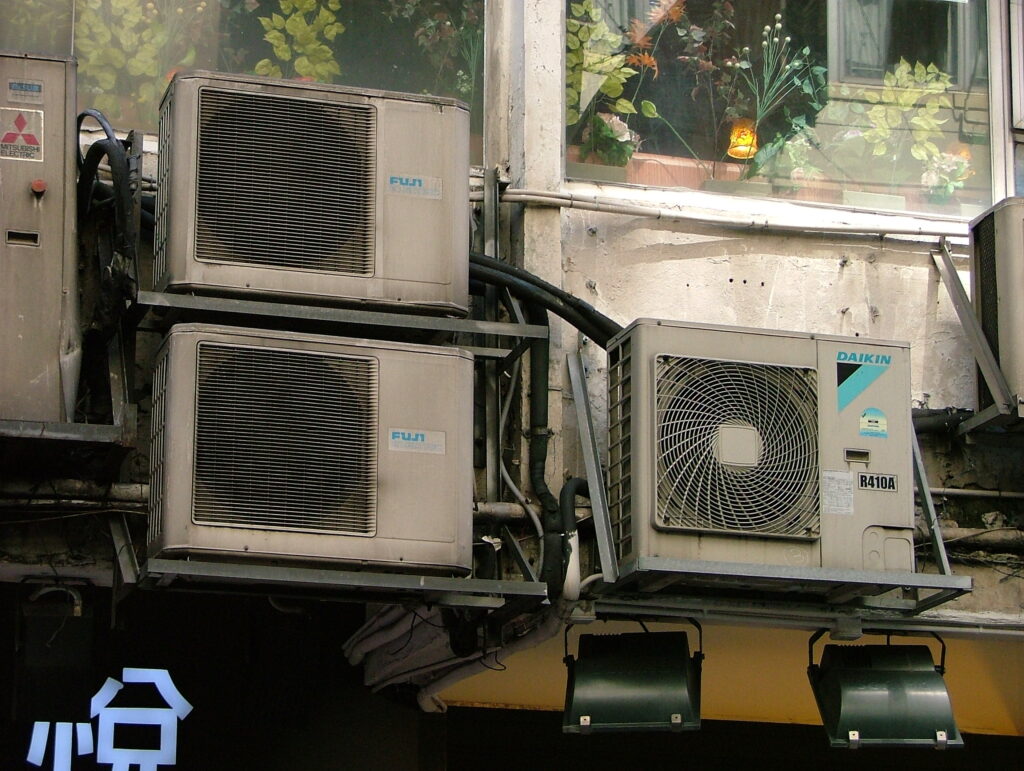
Dripping air conditioners — water falling from units onto passersby below — have long been a recurring nuisance complaint in Hong Kong’s dense residential districts. The department said it has combined enhanced inspections and enforcement with publicity and education, new technology and adjusted operational strategies.
Under a strategy adopted in recent years, officers no longer wait only for public complaints. They proactively conduct door-to-door inspections and take enforcement action, concentrating on about 300 locations of concern with more serious dripping problems across districts, including bus stops, minibus stops and pedestrian passages, with each location inspected at least once a week. By August, dripping problems at about half of those locations had been resolved or had shown significant improvement, the spokesman said. As conditions improved at some sites, the department extended operations to more than 110 additional locations with less serious problems; as of September 30, the number of locations under follow-up had grown from around 300 to more than 400.
Technology has been central to the push. The department, working with a local innovation and technology institution, developed the Air-conditioning Water Dripping Inspection System, which uses infrared night-vision technology to detect dripping locations quickly in low-light conditions without officers entering residents’ premises. The enhanced second-generation system added a remote-controlled pan-tilt head and autofocus functions, extending the detection range to 120 meters — enough to cover buildings around 40 storeys high. In April, the system won a bronze award in the Engineering and Robotics – Optical Sensing and Spatial Intelligence category at the Edison Awards 2026, the department said.
This year, the FEHD said, it fully deployed the third-generation system across all districts. The system uses AI image recognition to detect dripping locations automatically and pinpoint their sources quickly and accurately, reducing the time needed for observation and evidence collection.
The department also works with the property management sector. Under the Scheme of Participation by Property Management Agents in Tackling Dripping Air-conditioners, staff of property management companies serving private housing estates help identify dripping sources and advise residents to rectify the problem, the spokesman said.