Receipts attached 3 sources
Sources
-
Other source
Executive Council approves Star Ferry fare increases
Effective date, approved ranges, operator financial context and LegCo procedure
-
Other source
Approved Star Ferry fare table
Old and new fares by route, deck and passenger class, monthly and four-day tickets
-
Other source
Star Ferry service and ticket information
Route and deck details, ticket conditions and sales, and payment methods
Limits
The January 25, 2027 fares are approved but have not yet taken effect. The government financial outlook for 2026 is a forecast. The journey-cost examples are arithmetic illustrations, not a typical-passenger estimate. Check pass terms and sale windows with Star Ferry before purchasing.
Corrections
No correction notes have been added for this article.
The approved increase changes the price of both cross-harbor routes, with the largest single-trip passenger fare rise falling on weekend adult tickets. The new fare table also raises the four-day tourist ticket, while leaving the monthly ticket unchanged.
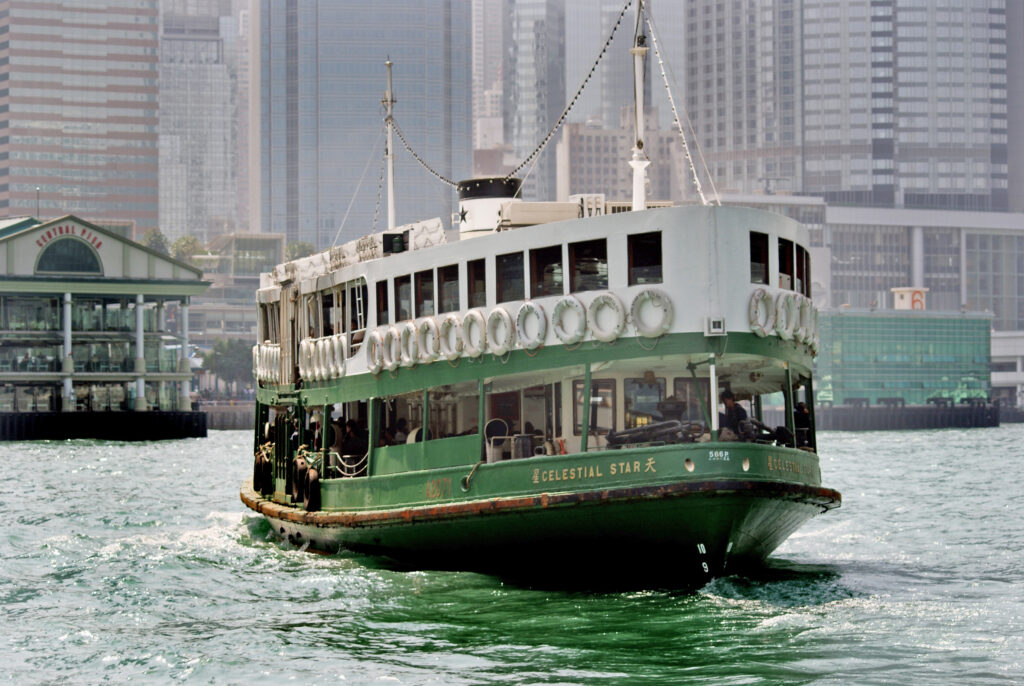
The Executive Council approved higher Star Ferry fares for its Central and Wan Chai crossings to Tsim Sha Tsui, effective January 25, 2027. For an adult taking the upper deck from Central on a weekend, the fare will rise from HK$6.50 to HK$8.30.
That HK$1.80 increase is the largest single-trip passenger fare rise in the approved fare table. On weekdays, an adult upper-deck trip on the same route will cost HK$6 instead of HK$5. The lower deck will remain cheaper, but its adult fare rises from HK$4 to HK$4.80 on weekdays and from HK$5.60 to HK$7.20 on weekends and public holidays.
What each crossing will cost
The Wan Chai to Tsim Sha Tsui route has one passenger fare class; its lower deck does not carry passengers. Its adult ticket follows the Central route’s upper-deck price: HK$6 on weekdays, up from HK$5, and HK$8.30 on weekends and public holidays, up from HK$6.50.
The difference matters more over a series of trips than it does at the gate. Twenty weekday return commutes on the Central upper deck would cost HK$240 at the new single-trip fare, HK$40 more than the same 40 journeys cost now. Taking the Central lower deck for those 40 trips would cost HK$192, an increase of HK$32. Those are illustrations based on the published fares, not estimates of how many days any particular passenger travels.
A weekend outing for two adults, with a return crossing on the Central upper deck, will cost HK$33.20 rather than HK$26. The lower-deck equivalent will be HK$28.80 rather than HK$22.40. Passengers choosing between decks will therefore see a larger absolute saving on the lower deck after the change: HK$1.10 per adult trip, compared with HK$0.90 today.
Children’s tickets will cost HK$3.50 instead of HK$2.90 on weekday upper-deck Central trips, and HK$5 instead of HK$3.90 on weekends and public holidays. On the Central lower deck, the new child fares will be HK$3.40 and HK$4.70, respectively. The Wan Chai route uses the upper-deck figures. The fare table lists the same ordinary ticket prices for elderly and disabled passengers; it separately notes that Hong Kong residents aged 60 or older using JoyYou cards and eligible disabled passengers under 60 using qualifying personalized Octopus cards can still pay HK$2 per trip under the government concession scheme.
The passes tell a different story
The monthly ticket remains HK$190 on both franchised routes. For a regular passenger paying the new HK$6 weekday adult fare, 40 single trips would cost HK$240. The monthly ticket could therefore be worth examining, although passengers should check its conditions and their actual travel pattern before buying one. According to Star Ferry’s service notes, it is sold at the Tsim Sha Tsui pier control center from the 26th of the previous month through the 10th of the current month; buyers must supply a recent photo.
The four-day tourist ticket moves in the other direction, rising from HK$50 to HK$60. Star Ferry describes it as allowing unlimited rides on the Central and Wan Chai routes to Tsim Sha Tsui over four days, and says it is sold at the Tsim Sha Tsui pier control center. At the new weekend adult fare of HK$8.30, eight single rides would cost HK$66.40; at a weekday lower-deck fare of HK$4.80, those same eight rides would cost HK$38.40. The ticket’s value depends on when and how often someone crosses, not merely on the number of days in Hong Kong.
Star Ferry says passengers can use Octopus at its terminal gates. Its self-service ticket machines also accept several electronic payment methods, including credit cards, Alipay and WeChat Pay. The fare change is not a change to how people board.
Why the increase was approved
The company had sought increases of HK$0.80 to HK$2 per trip. The government approved a smaller range, HK$0.60 to HK$1 on weekdays and HK$1 to HK$1.80 on weekends and public holidays, saying it wanted to temper the effect on passengers while addressing the operator’s finances.
According to the government’s October 21 announcement, Star Ferry accumulated losses of more than HK$100 million between 2018 and 2023 and made marginal profits in 2024 and 2025. The government expects it to return to losses in 2026, citing slow passenger growth, operating costs and debt-related interest. Those future losses are a forecast, not a reported result for the year.
The fare order is due to be tabled at the Legislative Council on October 28 for negative vetting. Until January 25, the existing fares remain in place. After that, the same harbor crossing will still offer two prices from Central: the upper deck costs more, and the lower deck retains the lower fare.