Receipts attached 4 sources
Sources
-
Other source
The Standard, Alan Chan interview
-
Other source
TVB News, hotel occupancy and rates
-
Other source
Knight Frank Hong Kong Hotel Report, September 2026
-
Other source
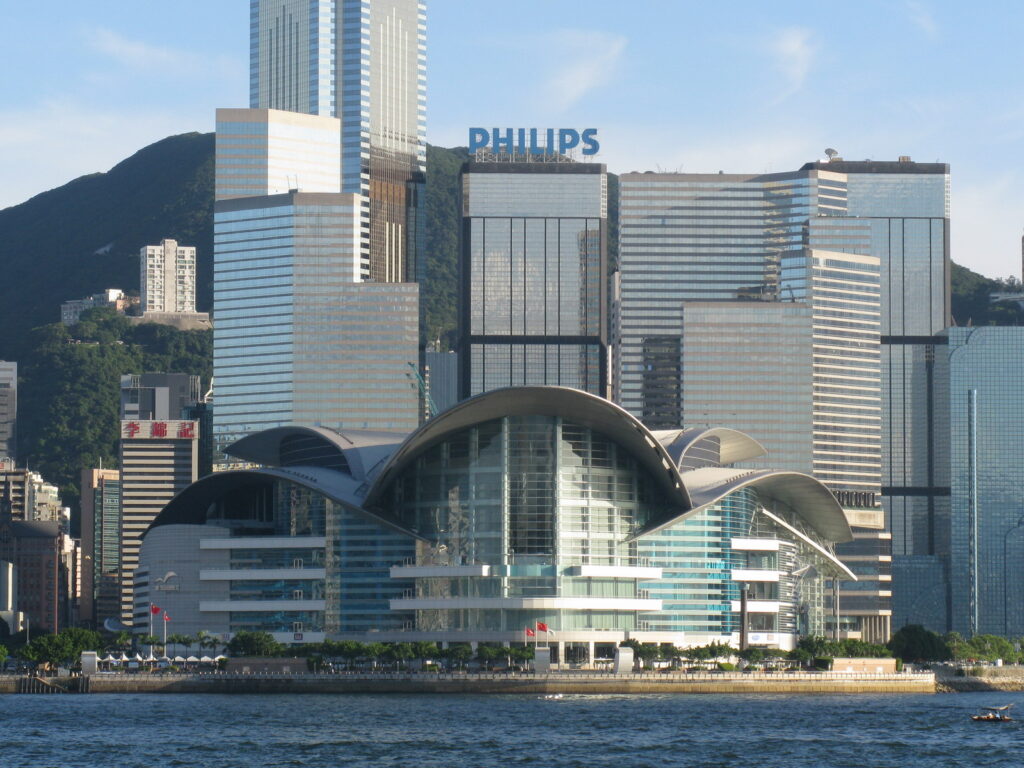
Hero image
Archival or illustrative image; see credited media caption.

Limits
Summit-week occupancy and rate claims came from Miramar executive Alan Chan and were not independently measured citywide. No comparable post-meeting rate data were available at publication.
Corrections
No correction notes have been added for this article.
A hotel operator reported near-full rooms at its Hong Kong properties during the APEC finance ministers’ meeting this week. That is a measure of the event’s local draw, but it is not yet evidence of what will happen to room prices after delegates leave.
Alan Chan Chung-yee, chief operating officer of Miramar Group and a legislator, told a radio programme that his group’s Hong Kong Island properties reached 98 per cent occupancy during the 20–21 October meeting and its Tsim Sha Tsui properties reached 95 per cent, The Standard reported. TVB separately reported him saying room-rate growth was in single digits, with average prices above HK$2,000 in Wan Chai and HK$1,600 in Tsim Sha Tsui. These are one operator’s figures, not a citywide hotel survey.
A concentrated gain
TVB reported roughly 500 participants at the meeting. Chan described demand from senior business travellers and said some visitors extended their stays by two or three days. A separate TVB report carried by Yahoo said more than 50 suites at his group were booked. Those accounts indicate demand for premium rooms around the event, but do not establish how much occupancy or pricing changed across the wider market.
Nor do the published figures establish a “rate cliff” after the summit. Chan gave neither a comparable pre-event rate nor a post-event rate. Single-digit growth, without its baseline and dates, cannot show the size of a summit premium. The event ended on 21 October; comparable post-event hotel prices and October market-wide data were not available for this analysis.
The wider divide
The summit arrived in a market where premium and mid-range hotels have performed differently. In its September 2026 hotel report, Knight Frank, drawing on Hong Kong Tourism Board data, put first-half revenue per available room at HK$1,883 for High Tariff A hotels, 1 per cent above 2018. The equivalent figures were HK$887 for High Tariff B, 13 per cent below 2018, and HK$536 for Medium Tariff, 23 per cent below. Knight Frank says these classifications broadly correspond to five-star, four-star and three-star-or-below hotels. These are sector-wide, half-year figures, not APEC-week measurements.
The same report says business-visitor arrivals were 1.14 million in the first half of 2026, 43 per cent below the corresponding 2018 period. It puts business visitors’ hotel spending at HK$6.6 billion in 2025, down from HK$12.4 billion in 2018, while spending by other visitors was 4 per cent lower. That longer-term gap gives context to an unusually full few nights: a meeting can fill rooms nearby without resolving a prolonged shortfall in business travel.
Knight Frank also lists hotel acquisitions for student accommodation, including the Regal Oriental Hotel for HK$1.518 billion and Silka Seaview for HK$750 million. Those transactions show investors pursuing alternative uses for some hotel buildings; they do not demonstrate that APEC demand caused any conversion.
The defensible conclusion is narrower than a forecast about prices falling. Chan reported high occupancy and modest rate growth at his group’s properties. The available independent sector data points to a longer-running divide between premium and other hotels. Whether summit-week rates fell afterward requires like-for-like prices for comparable rooms, or later hotel survey data. Neither is in the current record.