Receipts attached 9 sources
Sources
-
Other source
Ride-hailing vehicle rules
Three-part permit regime; driver course, ownership, age and insurance rules
-
Other source
Platform application invitation
October 30 deadline; platform entry standards and fee
-
Other source
Subsidiary legislation gazetted
10,000 permit ceiling and review position
-
Other source
Legislative scrutiny completed
Late-November platform licence plan; preparations not passenger launch
-
Other source
Minister on cap review
Data-led review, no fixed early timetable
-
Issuer statement
Uber driver and rider survey
More than 30,000 annual active drivers; permit allocation preference
-
Other source
Uber forecast at 15,000 permits
Uber model, not independently established outcome
-
Other source
Existing drivers not favored
Chan position on no preference
-
Other source
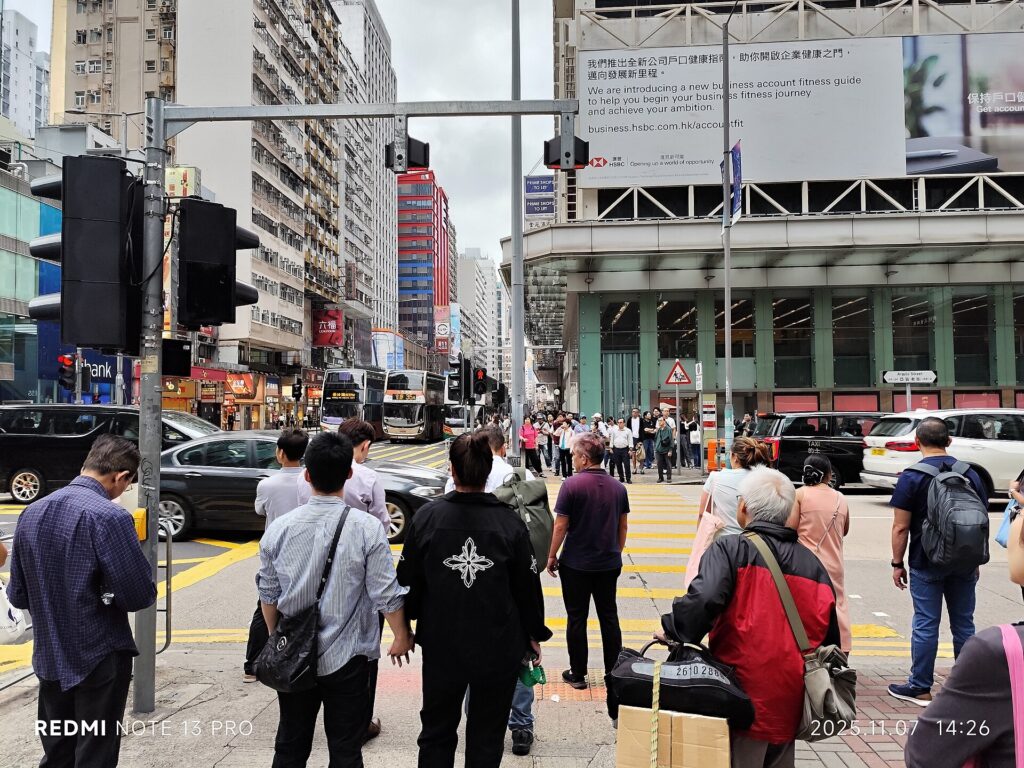
Mong Kok traffic photo
4080x3060 CC0; pixels inspected; contextual

Limits
Uber’s 30,000 figure is an annual active-driver pool, not a count of full-time applicants. The 40% failed-booking and 70% fare figures are Uber forecasts for a 15,000-permit scenario, not measured effects of the 10,000 cap. First passenger-service date is unannounced. Image is contextual.
Corrections
No correction notes have been added for this article.
For more than a decade, an app could arrange a private-car ride in Hong Kong even though a driver without a hire-car permit could not legally carry a paying passenger. The city is now building a licensed alternative. The question is how many of the people who created that market will fit inside it.
The government has set a limit of 10,000 ride-hailing vehicle permits. Uber says its annual active driver pool exceeds 30,000. Those figures are not a simple count of full-time jobs lost: many drivers work part-time, and not everyone in the annual pool would apply. But they describe the squeeze at the center of the new system.
A licence is not a launch date
Lawmakers passed the Road Traffic (Amendment) (Ride-hailing Service) Ordinance in October 2025. Most of the framework took effect in August 2026. Platforms, cars and drivers each need their own licence or permit for a compliant ride.
Platform applications close at noon on October 30. The government expects to issue the first platform licences in phases as early as the end of November, allowing operators to recruit and verify permitted owner-drivers. The Transport Department has not announced a firm date for the first licensed passenger trip. A platform licence alone does not make every car on its app legal.
The 10,000-vehicle ceiling
The government says the cap is a starting point and will review it against operating data from licensed platforms. Transport Secretary Mable Chan has declined to promise a review within a fixed number of months. Uber argues the number is too low. Its forecast for a 15,000-permit ceiling was that peak-hour booking failures could reach 40 percent, waiting times could double and fares could rise by as much as 70 percent. That is Uber’s model, not an observed result of the 10,000-permit regime.
The taxi trade has argued for tighter limits. For passengers, the real test will be whether the government changes the ceiling when actual waiting times, failed bookings and fares become visible.
Who qualifies
An existing app driver has no automatic priority. Chan has said favoring those already driving would reward activity that was not legal and would be difficult to verify. Uber, by contrast, wants experienced drivers prioritized over a lottery or car-ownership-tenure rule.
A new driver generally must be at least 21, have held a full private-car or light-goods-vehicle licence for at least a year, pass the combined taxi and ride-hailing written test and complete a pre-service course. Existing taxi licence holders can skip the test and course. Applicants also face specified traffic-conviction and fitness requirements.
The vehicle rules are more flexible than the seven-year limit sometimes cited in early proposals. The Transport Department’s current guidance allows a car manufactured less than 12 years before application, with a recent roadworthiness certificate required once it is at least six years old. The permit applicant must be both the registered owner and a permitted driver of the car, and commercial-use insurance is required.
A high bar for platforms
The platform applicant must be a Hong Kong-registered company with a local office and staff. It must show lawful operation in a city of at least 7.5 million people and an average of at least 100,000 daily ride-hailing orders in two cities. The annual licence fee is HK$1.2 million, alongside financial-capacity requirements.
The first licences will tell us which companies qualify. The harder measure comes later: how many owner-drivers receive permits, how many actually work during the evening rush, and how quickly officials change the ceiling if the ride supply falls short.