Receipts attached 1 source
Sources
-
Other source
Business expectations for fourth quarter of 2026
Q4 expectations, sector balances and survey method
Limits
All figures come from one Census and Statistics Department survey of about 570 prominent companies. Responses collected September 1 to October 6 are expectations, not realized performance or the size of future price changes. The combined transportation, storage and courier category is not a separate freight-mode forecast.
Corrections
No correction notes have been added for this article.
Large Hong Kong businesses are more optimistic about the fourth quarter, according to an official survey released on October 16. Some 14% of respondents expect better conditions and 9% expect worse. Transportation, storage and courier services were an exception to the brighter overall picture.
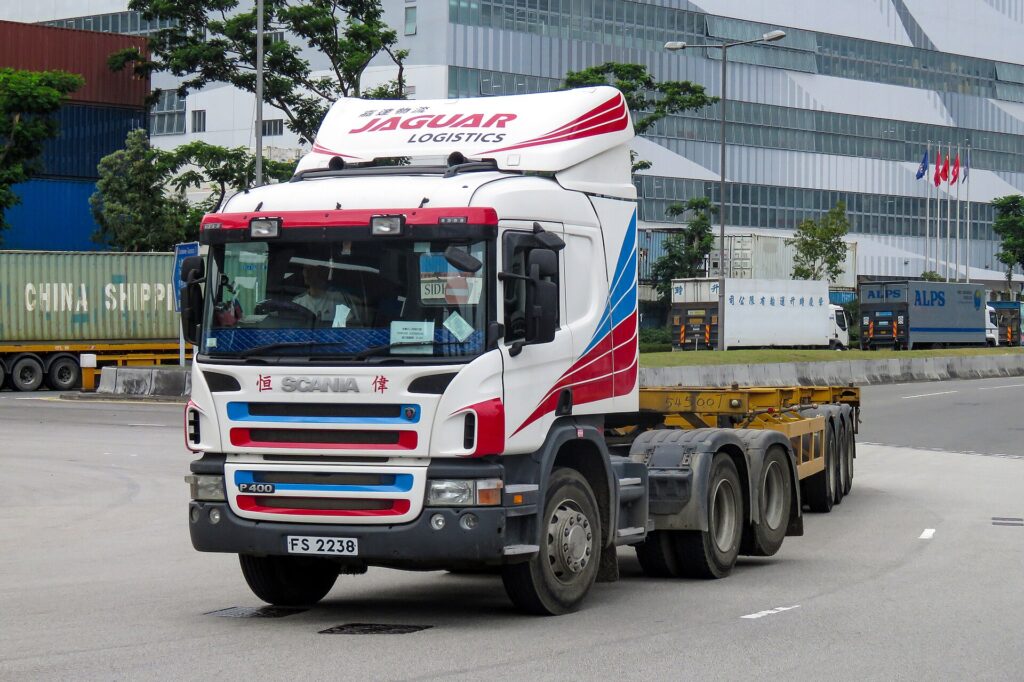
The Census and Statistics Department said more respondents in that sector expected their business situation to worsen than improve, yet more also expected service charges to rise than fall. For a freight customer, that matters: in this survey, weaker business sentiment does not mean suppliers expect to cut prices.
The survey measures expectations, not completed sales or freight rate changes. Interviews ran from September 1 to October 6, and respondents were asked only whether conditions in their own companies would move up or down, not by how much. It cannot show what firms have charged since then or will charge through December.
How the balance shifted
Across the surveyed sectors, the share expecting improvement rose to 14% from 10% in the third-quarter round, while the share expecting deterioration fell from 14% to 9%. Subtracting the negative share from the positive gives a net balance of plus five percentage points for the fourth quarter, against minus four in the earlier round.
That is a nine-percentage-point swing in the balance of expectations, not a 9% rise in output. The department’s release cautions that the net balance shows how widespread optimism or pessimism is, not how large an expected change in business will be. The survey does not collect that.
Accommodation and food services and financing and insurance stood out for positive business expectations, according to the department. Most surveyed sectors expected their business situation to improve on balance or stay broadly unchanged. A government spokesman called the overall result the first positive balance in ten quarters; that comparison is the government’s, not this article’s calculation.
Transport: weaker sentiment, higher charges expected
Transportation, storage and courier services showed a negative balance on business conditions alongside an upward balance on expected service charges. The release gives the direction of both results but does not explain why they coincide, and does not show that higher fuel costs, weaker demand or any other single factor drove the responses.
The implication is narrower than a forecast of a rate surge. A customer weighing a transport quotation cannot infer the direction of prices from whether suppliers feel better about business: in this survey they were less positive about the quarter, yet more respondents expected charges to rise than fall.
The grouping is also broad. Because transportation, storage and courier services are reported together, the result is not a separate forecast for ocean freight, air cargo, warehouses or parcel delivery, and a direction-only survey gives no likely percentage increase for any of them.
Who was surveyed, and what it can’t show
The department gathers views from senior management at about 570 prominent companies across ten major sectors. Respondents describe their own companies, not their sectors as a whole, and are asked to exclude normal seasonal variation from the expected quarter-to-quarter change.
Employment expectations were broadly unchanged in a number of sectors, the department said, while more accommodation and food services and real estate respondents expected increases. Information and communications and construction showed the opposite balance. On prices, accommodation and food services joined transportation in expecting increases on balance, whereas more construction respondents expected tender prices to fall.
These differences limit how far the upbeat headline number can travel. It reflects the views of the companies surveyed, collected before October 7. It is not a count of jobs added, a measure of small-business confidence or proof that fourth-quarter revenue has improved. The department warns that events around the interview period can affect expectations, and that their relationship with underlying trends is difficult to pin down.
The improvement is real as a survey result. For transport buyers, though, the more useful detail is the split beneath it: weaker confidence in business conditions and expectations of higher charges can sit in the same set of responses.