Hong Kong plans to bring three more substances under its dangerous-drugs controls from November 27. Legislative Council scrutiny is scheduled for October 7, ahead of commencement.
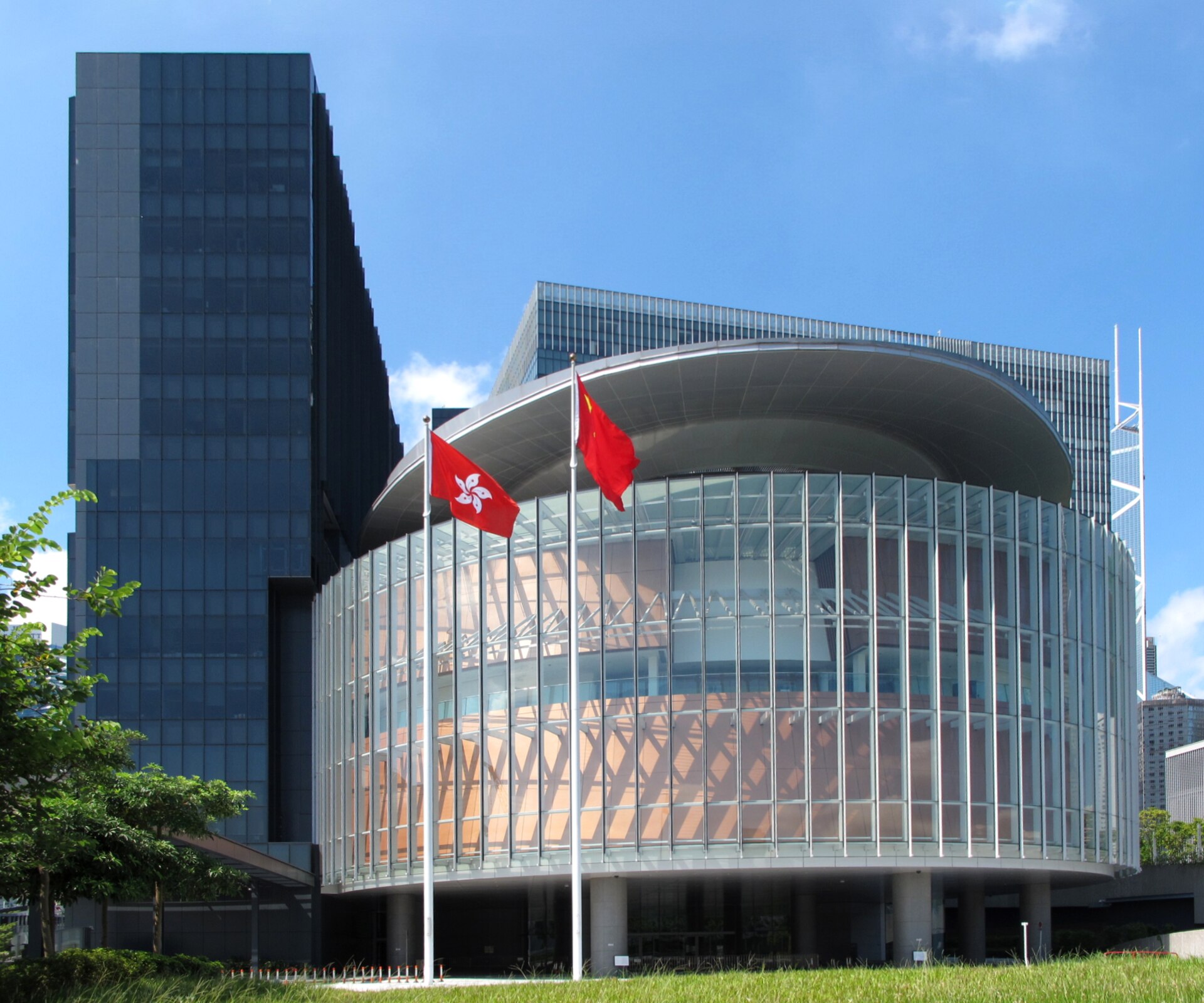
The Hong Kong drug control order announced by the Security Bureau on September 30 targets N-Pyrrolidino isotonitazene, N-Desethyl etonitazene and MDMB-FUBINACA. The bureau said the order would be tabled in the Legislative Council on October 7 for negative vetting and was expected to take effect on November 27, 2026.
The distinction matters because a legislative announcement and the date when its controls start are different events. The order attached to the bureau’s legislative brief expressly specifies November 27 as its commencement date. Neither document presents these additions as controls already operating at the beginning of October.
Hong Kong drug control order: three additions, a defined scope
The order would add the three substances to Part I of the First Schedule to the Dangerous Drugs Ordinance, Chapter 134. The brief describes the first two as synthetic opioids and MDMB-FUBINACA as a synthetic cannabinoid receptor agonist. The short name is accompanied by its chemical name in the legal text.
The government presents the changes as alignment with international drug-control requirements. Its brief says the United Nations Commission on Narcotic Drugs adopted recommendations to place the substances under international control in March 2026. That is the bureau’s stated basis for the local amendments, not evidence of a newly identified Hong Kong outbreak.
Indeed, the brief says no abuse case involving any of the three had been detected in Hong Kong at the time of its account. It also says there was no registered pharmaceutical product containing them in Hong Kong and no record of their import or export in local trade declarations over the preceding five years.
The absence of a recorded case or declared shipment is not a finding that the substances were never present.
Dangerous Drugs Ordinance: licensing and penalties do different jobs
The brief explains that substances in Part I of the First Schedule fall under a licensing scheme administered by the Department of Health. Manufacture, import, export and supply require the respective departmental licenses. The proposed additions would bring the named substances within that framework.
According to the bureau, trafficking or manufacture in contravention of the ordinance carries a maximum penalty of life imprisonment and a HK$5 million fine. Possession or consumption in contravention carries a maximum of seven years’ imprisonment and a HK$1 million fine. These are statutory maximums described for unlawful conduct, not automatic sentences for every case.
Legislative timetable: watch the start date
The September announcement scheduled gazettal for October 2, followed by negative vetting on October 7. The attached order supplies the separate November commencement date. For readers tracking the legal change, those stages should remain distinct rather than being collapsed into one announcement-day ban.
The next useful check is the outcome of legislative scrutiny and the text in force when commencement arrives. Three named additions are a specific legal change. Their significance depends on the final rules and their start date, not on how alarming the longest chemical name looks in a headline.